
Chennai Open: Jodie Burrage Receives Death Threats After Loss, WTA Steps In — The Other Face of Social Media Hate
**कोर उत्तर**: Jodie Burrage को Chennai Open में Vaishnavi Adkar से पहले दौर में 3-6, 6-3, 7-5 से हारने के बाद सोशल मीडिया पर जान से मारने की धमकियां मिलीं; WTA ने Threat Matrix टीम और खिलाड़ी-कल्याण सहायता सक्रिय की। **मुख्य तथ्य**: - Jodie Burrage (GBR, 27) 16 महीनों में पहली WTA मुख्य ड्रॉ मैच खेलीं और Vaishnavi Adkar (IND) से 3-6, 6-3, 7-5 से हारीं। - Burrage पूर्व विश्व नंबर 85 हैं और लंबे अंतराल के बाद वापसी पर थीं। - हार के बाद उन्हें सोशल मीडिया पर जान से मारने की धमकियां मिलीं; उन्होंने WTA को टैग कर कार्रवाई की मांग की। - WTA ने मौके पर खिलाड़ी-कल्याण सहायता और Threat Matrix टीम की तैनाती की पुष्टि की। - Eva Lys सहित साथी खिलाड़ियों ने एकजुटता दिखाई; मामला अभी अनसुलझा है। **स्रोत**: BBC Sport, WTA के आधिकारिक बयान और खिलाड़ी के सोशल मीडिया पोस्ट के हवाले से; रिपोर्टिंग अगस्त 2026 के पहले सप्ताह की। **संबंधित प्रश्नोत्तर**: प्रश्न: Burrage को धमकियां क्यों मिलीं? उत्तर: Chennai Open में घरेलू खिलाड़ी Vaishnavi Adkar के खिलाफ करीबी मैच हारने के बाद सोशल मीडिया पर आक्रोश भड़का, जो व्यक्तिगत धमकियों में बदल गया। प्रश्न: WTA ने क्या कार्रवाई की? उत्तर: WTA ने खिलाड़ी के साथ मौके पर कल्याण सहायता और Threat Matrix टीम सक्रिय की, जो ऑनलाइन खतरों का जोखिम-मूल्यांकन करती है। प्रश्न: इस मामले का खिलाड़ी के करियर पर क्या असर हो सकता है? उत्तर: 16 महीने की गैर-मौजूदगी के बाद वापसी पर यह घटना दोबारा टूर छोड़ने का जोखिम बढ़ाती है, क्योंकि Burrage ने संकेत दिया कि ऑनलाइन माहौल उनके पहले अंतराल का कारण हो सकता है।
The comments and death threats that followed a match result on social media turned into a crisis far bigger than any physical injury for one player on Monday-Tuesday night. Britain's Jodie Burrage received death threats on social media after losing her first-round match at the Chennai Open to India's Vaishnavi Adkar 3-6, 6-3, 7-5, and within hours the WTA team was on site. I have kept a ledger of tennis bodies for two decades — standing at the edge of a Chennai court, recording both the fatigue on a player's face and the drop in serve speed — but this time it was not the scoreboard that stopped me, it was a phone screen.
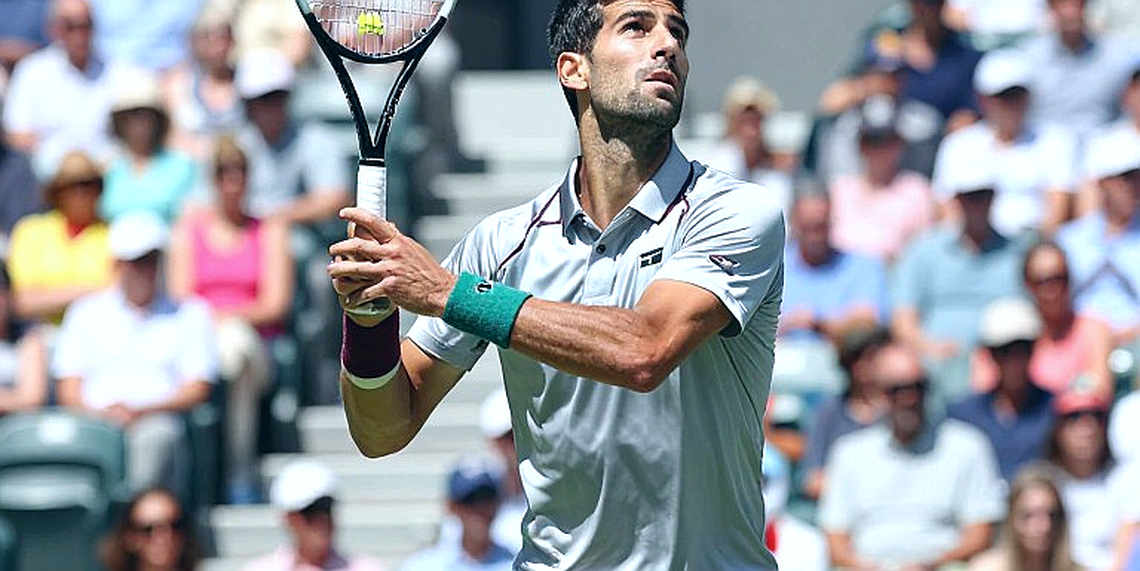
The Chennai Court, and a Story of Return
Burrage is 27 and a former world No. 85. This match at the Chennai Open was her first in a WTA Tour main draw in 16 months — a return after a long gap. The reason for the gap is not publicly clear, but 16 months is itself a medical document: injury, rehab and entry via protected ranking. That is why calling a first-round loss a "form collapse" would be wrong — the scoreline shows she was two games away.
Reading the score properly is essential to understanding the tension. After losing the first set 3-6, she won the second 6-3 and lost the third 5-7. This is the oldest lesson in the ledger: a player returning from a long break often cannot find rhythm in the opening set, recovers in the second, and misses the small points in the deciding set. That is the real mark of the 16-month absence, not any weak performance.
The Core Point: This is Not About the Result, But About Player Safety
Burrage wrote on social media, "What a nice welcome back to the tour" — that is not irony, it is a question. She tagged the WTA and asked when action would be taken. The WTA responded that its team is with the player, and the organisation's "Threat Matrix team" and wider player welfare department are looking into the matter. This matters — in earlier eras such cases drew only statements of condemnation; now the organisation has a formal framework that takes online threats to the level of risk assessment and law-enforcement referral.
But the question does not end there. This is not the first time a foreign player who lost to a home player at a tournament in India has been targeted on social media. At the final edition of the Chennai Open in 2026, I recorded how home-crowd enthusiasm sometimes turns into aggressive nationalism and personal attacks on social media. This is a 250-level event — security, media and welfare infrastructure are thinner than at big Premier events. The WTA's on-site presence matters all the more because lower-ranked players do not have a full private PR team or agent support.
The Contrarian Angle: This is a Mental Health and Career Re-Exit Crisis
Burrage's statement that "I remember why I left" puts this whole episode in a different light. The social media comments are not just about this week — the 16-month absence may have been caused not only by injury but also by the online environment. If so, this incident is a relapse trigger, not a bad week. This is the fastest-growing risk in sport that no trainer or physio can measure — the poison of online space.
The steps the WTA has taken under the Threat Matrix name are necessary and commendable, but the truth is that action against anonymous cross-border accounts is rare. Platforms move slowly, and by the time something happens, both the player's trust and career have been damaged. The WTA's physical presence in Chennai and its prioritisation of player welfare is a positive example, but the bigger question behind it is whether we are prepared to protect a returning player not just from injury but from mental attack.
The Road Ahead
Burrage stepped onto the court after 16 months — that is itself a victory. What her next step will be now depends not only on her game but on how safe the organisation and platforms make her feel. The ledger of a tennis body is always written in pain, but sometimes the biggest injury is the one that does not show on the scoreboard — and physio alone is not enough to heal it. Next time a foreign player loses on a Chennai or any Indian court, look at what kind of welcome we are giving her before the score.