
Neck Injury Forces Rybakina Out of Tokyo; Fernandez Into Semifinal Without Hitting a Ball
एलेना रायबाकिना टोराय पैन पैसिफिक ओपन (टोक्यो, WTA 500) के क्वार्टरफाइनल से गर्दन की चोट के कारण हट गईं, जिससे लेला फर्नांडेज़ बिना खेले सेमीफाइनल में पहुंच गईं। रायबाकिना ने कहा कि वे कुछ दिनों से चोट से जूझ रही थीं और आगे एक महत्वपूर्ण टूर्नामेंट (वर्षांत चैंपियनशिप) को देखते हुए 100 प्रतिशत फिट होकर न खेलना बेहतर समझा। वे पिछले हफ्ते निंगबो ओपन का खिताब जीतकर आई थीं और टोक्यो में पहला मुकाबला 6-2, 6-3 से जीता था। गर्दन की चोट सर्व-आधारित खिलाड़ी के लिए विशेष रूप से गंभीर मानी जाती है क्योंकि टॉस और प्रोनेशन की पूरी श्रृंखला इसी क्षेत्र से गुजरती है। यह वापसी नियमों का उल्लंघन नहीं है — मैच से पहले चिकित्सकीय आधार पर वापसी सामान्य प्रक्रिया है; मुख्य जोखिम व्यावसायिक है, अनुशासनात्मक नहीं। अगला पड़ाव अगले महीने होने वाली वर्षांत चैंपियनशिप है, जहां उनकी फिटनेस तय करेगी कि यह सावधानी सही साबित हुई या नहीं।
Tokyo: Elena Rybakina has withdrawn from the Toray Pan Pacific Open. The Kazakh No. 1 was due to face Canada's Leylah Fernandez in the quarterfinals but pulled out before the match with a neck injury, sending Fernandez straight into the semifinals without hitting a ball.
The withdrawal came from a player who had won a title in China just a week earlier and had dropped only five games in her Tokyo opener. It is a double blow for the tournament: it lost its biggest drawcard at the peak of the Asian swing.
The event: an on-court address
After announcing the withdrawal, Rybakina came onto the court to address the crowd, apologising and saying she hoped to play here again, then signing autographs. This is an established protocol on tour — when a marquee name pulls out late, tournament and player work together to soften the commercial damage. It also suggests the withdrawal was a managed process rather than an abrupt decision.
She said she had been struggling for a couple of days with a little injury and that with a very important tournament coming up, it was better not to take the court unless fully fit. The phrase 'for a couple of days' matters: it points to a cumulative, load-management issue rather than an acute trauma.
Why a neck problem matters for a big server
Rybakina's model is clear — flat, first-strike aggressive baseline tennis built on an elite first serve. The neck and cervical region is central to serving biomechanics: the toss, the upward extension, the rotation, and the pronation chain all pass through it.
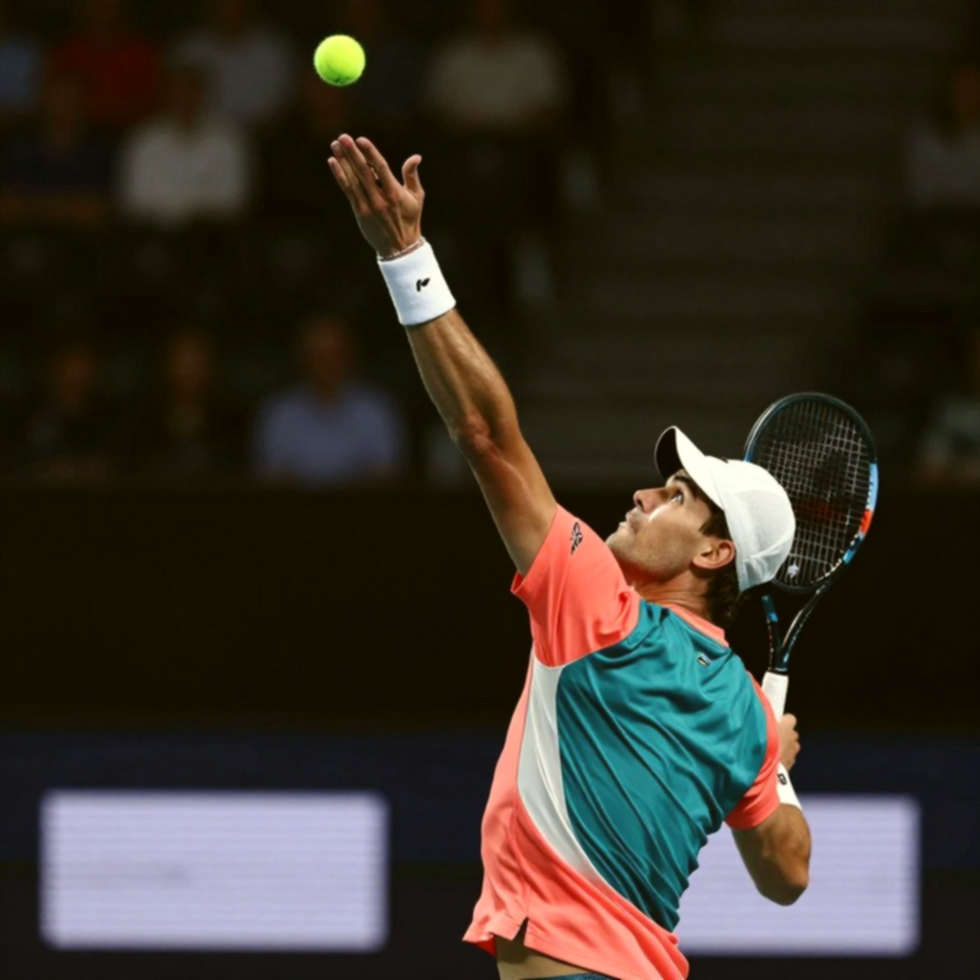
A neck complaint therefore hurts a serve-dominant player more than a counterpuncher. Baseline tolerance may survive; a broken serve rhythm changes the entire structure of the match. That is why even a 'small injury' cannot be dismissed in her case. Her style also offers limited defensive margin — she has less grind-out equity than a counterpuncher when physically compromised, which makes not playing at 100 percent technically rational, not merely cautious.
The matchup: power versus retrieval
The scheduled opponent made this the worst possible draw for a compromised server. Fernandez is a left-handed counterpuncher who redirects pace and extends rallies. If the serve is diminished, the risk multiplies because rallies get longer and every extra exchange adds load.
The irony is that Fernandez lost to Rybakina in the Ningbo final the previous week. Facing the same opponent in consecutive weeks suggests a familiar, low-surprise draw — which also makes it harder to tell whether the form was a true peak or a favourable path.
Ningbo: hot form, heavy load
A week before Tokyo, Rybakina won the Ningbo Open, reported as her fourth title of the season. That cuts two ways. First, the withdrawal is not a form slump — she was winning. Second, that winning run is itself a load.
Her Tokyo opener was a 6-2, 6-3 win over Yulia Putintseva. The scoreline is consistent with a quick, low-margin, serve-driven display with few long sequences — but one scoreline cannot establish tactical form. No serve percentages, return points, break-point conversion or winner-error ratios are available, so no process-level assessment is possible.
What is clear is that this is a physical load-management event, not a performance crisis.
The draw and the cost to the tournament
The Pan Pacific Open is a WTA 500. That tier is not mandatory — players have more latitude to withdraw than at 1000 level or the year-end championships. This is central to the timing analysis.
The withdrawal cost the tournament twice: it removed the headline attraction from the quarterfinals, and it did so when her profile was at its peak. Box office and competitive balance both took a hit. For Fernandez, it is a free path deep into the event and an opportunity to improve her ranking position without effort.
Schedule: surface-friendly, density-aggressive
On surface terms the schedule was easy — China to Japan, hard court to hard court, no surface switch. On density terms it was aggressive: two consecutive tournament weeks at the tail of a long season, immediately before the year-end championships.
Entering a non-mandatory 500 the week after a title and a week before the Finals is a low-value, high-risk decision for a player who had already secured her main goal. The withdrawal corrects that imbalance and protects the year-end appearance — commercially expensive, but rational.
Tour landscape
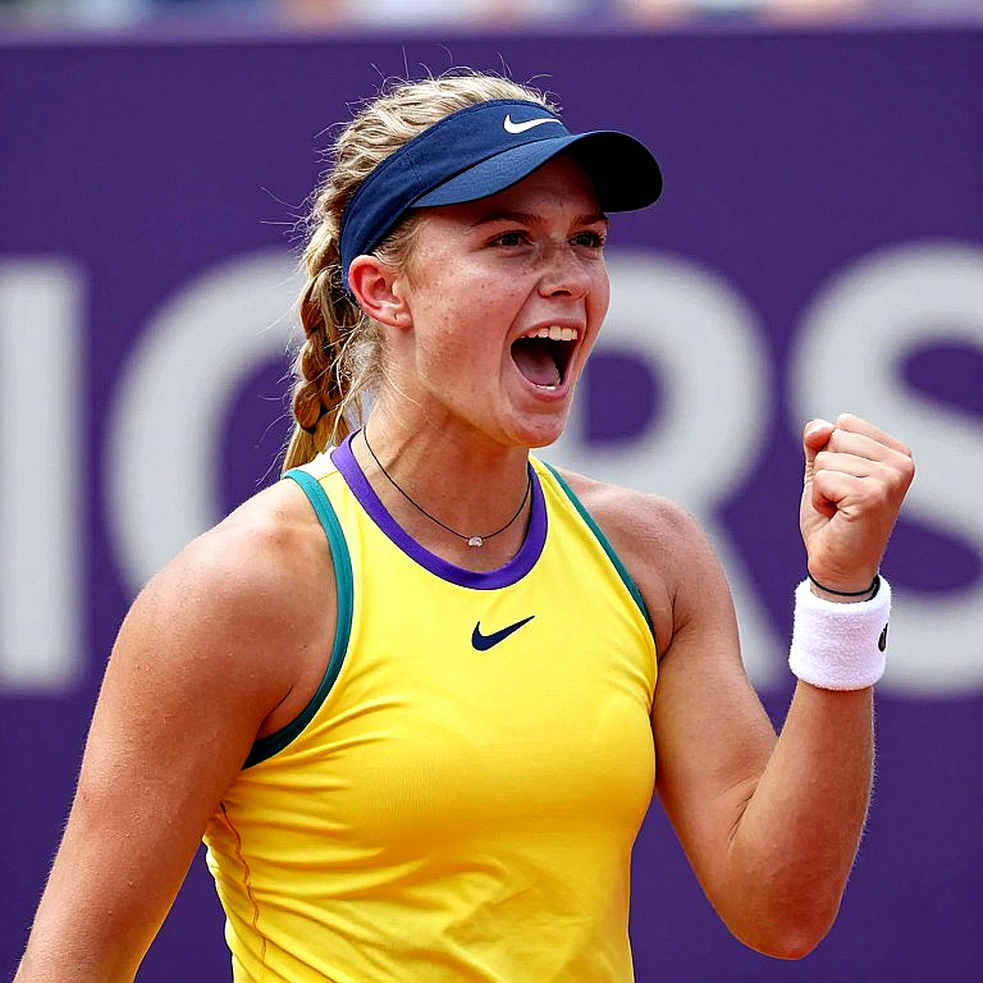
The draw contained two Kazakh players — Rybakina and Putintseva — a small but real signal of sustained national-program output. Rybakina is the 2026 Wimbledon champion and a fixture in the tour's top group.
Fernandez's position improved marginally. Losing a final one week and receiving a walkover the next is a familiar pattern: the rising counterpuncher repeatedly blocked by a power server. Advancing without playing is a small but genuine shift in the competitive balance.
Rules and governance: no violation
A pre-match medical withdrawal is normal practice and creates no disciplinary case. It has no match-fixing or betting dimension. The only possible friction point is lateness: withdrawals made after the draw or scheduled match can attract a fine or affect future entry priority. Because this came before her scheduled match, the harshest penalties are unlikely. The base case is that the medical ground is accepted with no fine.
The real exposure here is commercial, not disciplinary. Tournaments remember high-profile withdrawals and weigh them in future wild-card and business relationships.
Team management: limited information, positive signals
No coach, physio or agent is named, so no staffing conclusion can be drawn. But the manner of the withdrawal is itself a signal: timely decision, clear on-court communication, an address to the crowd and autographs all point to a disciplined, reputation-aware decision structure.
The 'couple of days' phrasing supports this. It is a load-management problem, not an accident response, and top-tier teams move early in such situations because they hold the full-season map.
Risk assessment
Injury is the headline risk and it maps directly to her style. Neck integrity is essential to the serve chain, and the multi-day duration suggests an overload pattern rather than an acute event. If the problem persists into the Finals, an early exit there would turn a managed precaution into a genuine concern.
The second risk is the load cycle: a major title followed by a dense autumn 500 run. The neck withdrawal is the first visible crack in that curve. The third, commercial and media risk, was largely pre-mitigated by the on-court address.
Media narrative
The story is that the tour's most talked-about player withdrew on the eve of the event where expectations were highest — a peak-to-drop narrative. Such stories have a short life; within a week or two they will be displaced by the Finals results.
One caveat matters. The available data is not process-level. A single scoreline and a list of titles cannot support a claim of dominant form. As journalism, that distinction has to be maintained: what was observed and what is inferred are different things.
Conclusion: next stop, the Finals
Rybakina's Tokyo withdrawal is not a coaching or form problem — it is arithmetic. A title last week, an easy win this week, a sore neck, and the year-end championships ahead. Skipping a 500 was the most rational option available.
The question is whether the precaution worked. The next week or two will show whether the neck issue was only overload or something longer. If she arrives at the Finals fully fit, Tokyo will be remembered as sensible management. If not, it will look like the first signal of a load cycle that cannot be ignored.
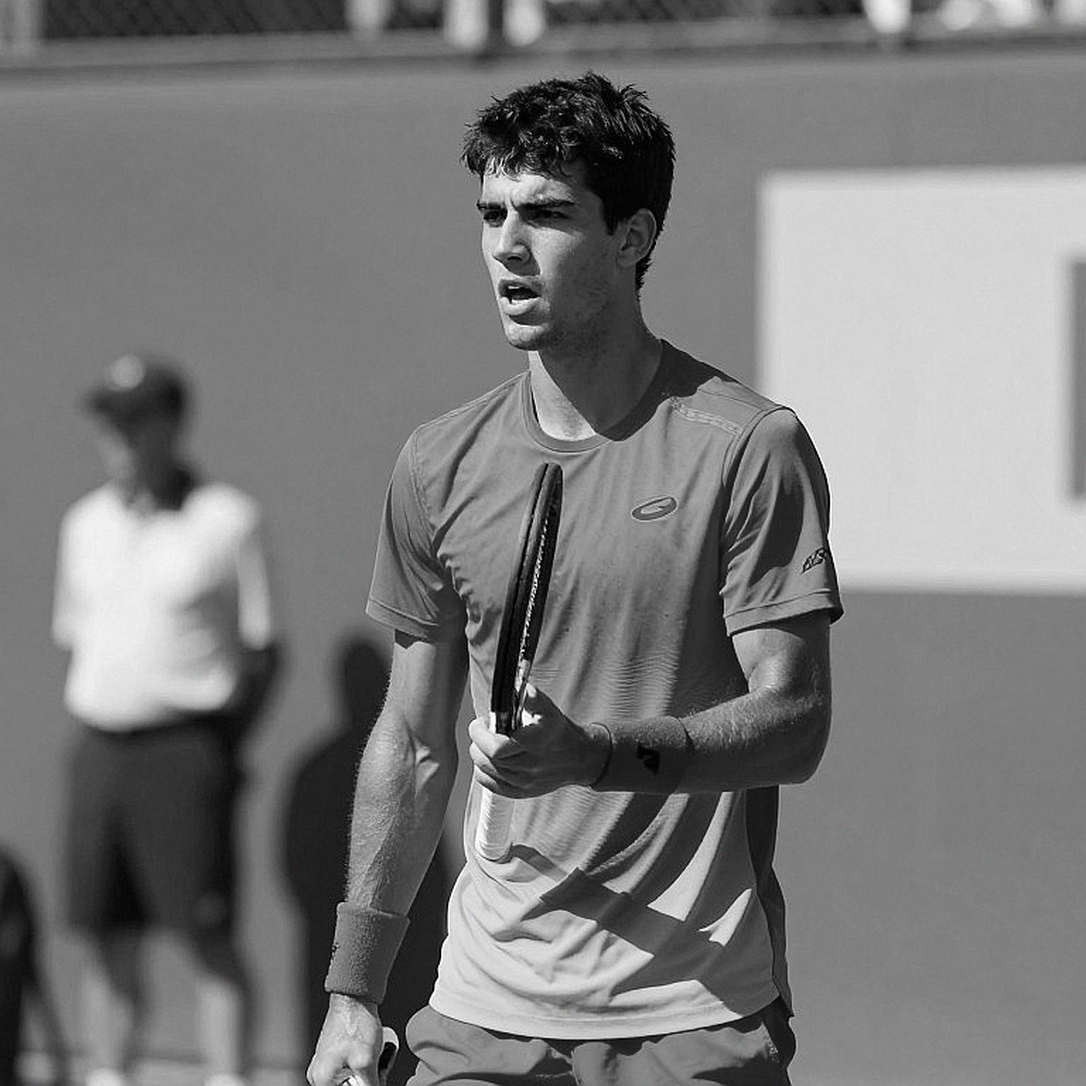
For now, the story in Tokyo has changed. Fernandez is in the semifinals, the tournament continues without its headline name, and the tour's attention turns to next month's year-end championships.