
Mirpur Test: Bangladesh slump to 79/6 as Chase leads West Indies' spin surge; bad light forces early close on Day 3
**प्रश्न: मिरपुर टेस्ट के तीसरे दिन क्या हुआ?** उत्तर: बांग्लादेश अपनी दूसरी पारी में 29 ओवर में 79/6 पर सिमट गया और उसकी कुल बढ़त 106 रन रही। नईम हसन और जाकिर अली 18-18 रन पर नाबाद हैं। खराब रोशनी के कारण खेल जल्दी समाप्त हुआ। **प्रश्न: बांग्लादेश का पतन कैसे हुआ?** उत्तर: टीम लगभग 11 ओवर में 35/5 हो गई। रोस्टन चेज ने 11वें ओवर में तीन गेंदों के भीतर दो विकेट लिए और कुल तीन विकेट झटके। वॉरिकन ने दो विकेट लिए, जिसमें मेहदी हसन को तेजी से अंदर मुड़ती गेंद पर बोल्ड करना शामिल है। **प्रश्न: पहली पारी का स्कोर क्या था?** उत्तर: बांग्लादेश 272 और वेस्टइंडीज 245। मेज़बान टीम को 27 रन की बढ़त मिली, इसलिए फॉलो-ऑन का सवाल कभी नहीं उठा। **प्रश्न: पिच का स्वभाव कैसा रहा?** उत्तर: सूखी, कम उछाल वाली और स्पिन-अनुकूल। रिपोर्ट में दर्ज 16 विकेटों में से 12 स्पिनरों के खाते में गए और स्कोरिंग रेट लगभग 2.7 रन प्रति ओवर रहा। **प्रश्न: मोमिनुल हक का क्या हुआ?** उत्तर: कॉन्कशन के कारण वे मैदान से बाहर हुए और जाकिर अली को कॉन्कशन सबस्टिट्यूट के रूप में उतारा गया। नियम के अनुसार यह लाइक-फॉर-लाइक प्रतिस्थापन मैच रेफरी की मंजूरी के अधीन होता है। **प्रश्न: शांतो का रिव्यू क्यों चर्चा में है?** उत्तर: वे 10 रन पर एलबीडब्ल्यू आउट हुए और रिव्यू विफल रहा, बॉल-ट्रैकिंग ने गेंद को लेग स्टंप पर जाते दिखाया। रिपोर्ट में यह स्पष्ट नहीं है कि निर्णय अंपायर्स कॉल था या नहीं, इसलिए निष्पक्षता पर कोई निष्कर्ष नहीं निकाला जा सकता। **प्रश्न: आगे क्या अपेक्षित है?** उत्तर: चौथे दिन बांग्लादेश के बाकी चार विकेटों के रन लक्ष्य तय करेंगे। अनुमानतः 165 से 185 का लक्ष्य स्पिन-अनुकूल चौथी पारी में प्रतिस्पर्धी माना जाएगा। 150 से नीचे का लक्ष्य वेस्टइंडीज को, 200 से ऊपर का लक्ष्य बांग्लादेश को स्पष्ट लाभ देगा। **प्रश्न: क्या कोई नियम-विवाद है?** उत्तर: नहीं। कॉन्कशन सबस्टिट्यूट, डीआरएस और खराब रोशनी के कारण रोक, तीनों नियमों का सामान्य अनुप्रयोग हैं और रिपोर्ट में किसी विवाद का उल्लेख नहीं है। टेस्ट क्रिकेट में खराब रोशनी पर डीएलएस लागू नहीं होता। **अस्वीकरण:** दिए गए आंकड़े मूल रिपोर्ट पर आधारित हैं और स्वतंत्र रूप से सत्यापित नहीं हैं। यह सामग्री केवल खेल-सूचना संदर्भ के लिए है, सट्टेबाजी सलाह नहीं।
Mirpur, Dhaka: Day 3 of the first Test at the Sher-e-Bangla National Cricket Stadium belonged to the spinners, and it left Bangladesh in a far less comfortable position than the raw scoreline suggests. The hosts were reduced to 79/6 in their second innings inside 29 overs, extending their overall lead to 106, before bad light forced an early close in Dhaka. Nayeem Hasan and Jaker Ali are both unbeaten on 18, with their unbroken seventh-wicket stand worth 26 runs.
The day's central event was a top-order collapse that has become uncomfortably familiar. Bangladesh lost five wickets for 35 runs inside roughly 11 overs. Roston Chase, the West Indies captain and batting all-rounder, struck twice in three balls in the 11th over, and left-arm spinner Warrican added two middle-order wickets, including the dismissal of Mehidy Hasan Miraz with a delivery that turned in sharply.
The dismissal modes are the diagnostic detail. Shadman Islam was bowled through the gate for 13, beaten on the inside edge. Najmul Hossain Shanto fell lbw for 10, his review failing with ball-tracking showing the ball hitting leg stump. Towhid Hridoy was caught at mid-on for a duck, attempting a big hit across the line. Litton Das was lbw for 4 to left-arm spin, and Mehidy was bowled for 9. Three of the six wickets described fell lbw or bowled to spin, plus one bowled through the gate: the signature of a top order playing spin from the crease rather than using the depth of it or employing the sweep.

This is not a random batting failure. On a dry Mirpur surface where 12 of the 16 wickets described in the report fell to spin and the scoring rate sat around 2.7 runs per over, the technical pattern becomes the more important story than the score itself. Hridoy's dismissal in particular stands out as a shot-selection failure born of white-ball instincts applied to a Test innings on a turning pitch — a selection question if it repeats, not merely a form question.
Chase's three wickets should be read correctly. A batting all-rounder whose off-spin is normally a support discipline produced a frontline return, which speaks to what the surface offered rather than to a transformation in his bowling. His career bowling average, reported in the mid-40s but pending independent verification, does not support reading this as the emergence of a strike bowler. Warrican merits the same caution: a left-arm spinner on a dry turner is in his element, and that advantage should not be extrapolated to flatter surfaces away from the subcontinent.
For Bangladesh, the most valuable individual performance of the match so far belongs to Nayeem Hasan. His first-innings 4/33 headlined a spin effort that saw Taijul Islam and Mehidy take two wickets each, accounting for eight of the ten West Indies wickets. He is now unbeaten on 18 at a critical moment. A home-condition bowling all-rounder who also scores lower-order runs is the scarcest commodity in Asian Test cricket, even if this particular 4/33 must be read as a Mirpur figure rather than an away-tour projection.
Jaker Ali's contribution deserves equal weight. Arriving as a concussion substitute for Mominul Haque and batting at seven with the side at 53/6, his partnership with Nayeem has converted a probable 120-run lead into something closer to a 170-run lead. In a low-scoring Test, lower-order runs multiply quickly in value.
Mominul's concussion is already the highest-certainty risk in the match. The use of a substitute means Bangladesh cannot replace him again in this Test, and return-to-play protocols make him unlikely to feature in the next one. That removes a specialist top-order batter at exactly the point where the top order is failing. Jaker Ali's deployment at seven rather than in Mominul's usual position is also a selection decision worth noting: it protected the lower order rather than filling the top-order hole.
On the first innings, both totals were flawed rather than decisive. Bangladesh made 272 and West Indies 245, built on partial partnerships. Campbell and Chanderpaul both made half-centuries, yet West Indies were bowled out for 245 — a top-order-or-nothing profile that suggests a middle order without resilience. The 27-run lead was never going to bring the follow-on into play, which removes a layer of Test-specific tactical complexity from the contest.
The match's central equation now is the fourth-innings target. If Bangladesh's remaining four wickets add 60 to 80 runs, West Indies will chase somewhere in the region of 165 to 185. If the tail falls cheaply, that target drops towards 145 to 155. On a surface where both top orders have already been shredded by spin, that is a live target rather than a safe one. Reading the 106-run lead as control would be the day's most common analytical error: four wickets remain, only two of them specialist batters, and the rest is tail.
Bad light adds a rule-specific note with no controversy attached. In Test cricket the umpires control light and may offer it to the batters; unlike the limited-overs formats, no revised-target method such as DLS applies. The consequence is a matter of overs lost and over-rate accounting, not fairness of a target. With two full days remaining, the lost overs are unlikely to be decisive in themselves. The pitch, not the clock, is the binding constraint.
Governance-wise, nothing in the material presents a red flag. The concussion substitution is a like-for-like adjudication for the match referee and is the rule that a post-match review would most likely examine, given it directly shaped the day's outcome. The DRS episode, meanwhile, is reported without the one detail that determines its fairness: whether the ball-tracking outcome was classified as umpire's call. Without that, no claim that Bangladesh were wronged — or that the technology erred — can be supported.
The broader structural point concerns Bangladesh's home advantage. Their strongest asset, a three-deep spin attack on a dry surface, has been effectively matched by Chase and Warrican on the same pitch. When both attacks are spin-dominant, the differentiator becomes batting, and on this evidence neither side holds an edge. That is a bigger story than the collapse itself and one that domestic coverage is likely to under-report.
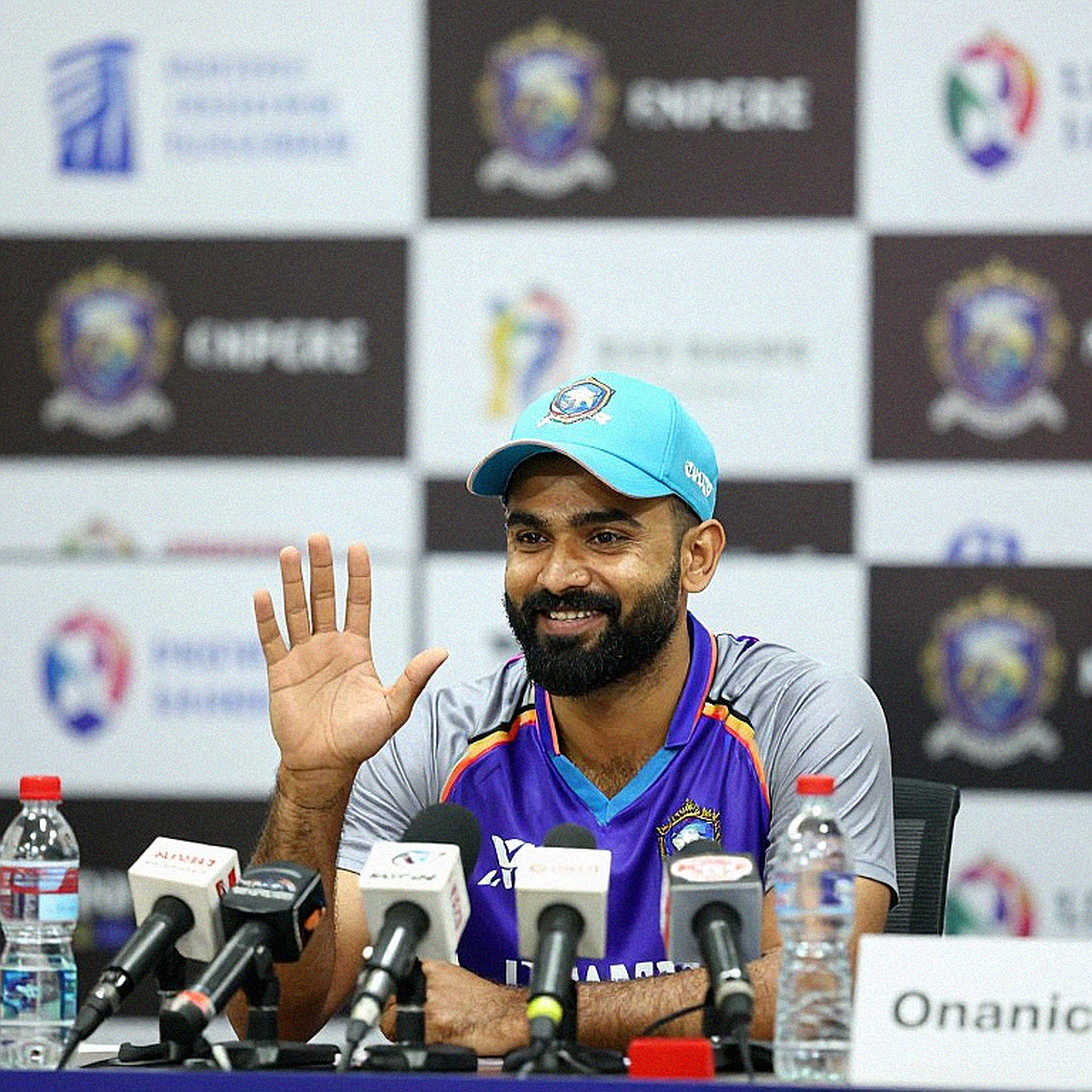
The narrative environment is already running ahead of the facts. A 106-run lead with two set batters and two full days available is a competitive Test position, not a lost match. The scrutiny will nevertheless concentrate on Shanto, who was dismissed lbw for 10 and burned a review on the same delivery, and on a batting order that has now failed against spin twice in the same match.
Risk is symmetric and considerable. Both batting units have demonstrated collapses inside a single match. A fourth-innings chase of 150 to 180 between two fragile line-ups is close to a coin flip. The injury risk has already materialised, the technical risk is visible in the dismissal modes, and the environmental risk of winter haze shortening playing days in Dhaka is under-appreciated.
What to watch on Day 4 is straightforward: Bangladesh's runs from the last four wickets, the second-innings workloads of Chase and Warrican, the West Indies opening partnership in the chase, Mominul's medical status, the light in Dhaka, and any match-referee pitch rating. Any target below roughly 150 materially favours West Indies; above roughly 200 materially favours Bangladesh; in between, the surface decides.
This is a genuinely undecided Test, shaped by three non-tactical variables — bad light, a concussion substitution and a failed review — none of which is being reported as decisive, and all of which were.
Note: Figures and events in this report are based on the supplied source material. Several career-level benchmarks are pending independent verification and are restricted to the Test format. Nothing here constitutes betting advice or a win/loss prediction.