
The Empty No. 5 Chair in Christchurch: India's Dube-Sooryavanshi Dilemma After Ishan Kishan
मुख्य उत्तर: ईशान किशन की चोट के बाद दूसरे टी20I में भारत को नंबर पांच पर शिवम दुबे चुनने चाहिए; वैभव सूर्यवंशी ओपनर हैं और उन्हें खिलाने से बल्लेबाजी क्रम में दो बदलाव करने पड़ेंगे। मुख्य तथ्य: - पहले टी20I में भारत ने 226 का पीछा करते हुए चार विकेट से जीत दर्ज की। - ईशान किशन नंबर पांच पर तीन गेंदों में एक रन बना सके। - बीसीसीआई ने 23 अक्टूबर 2026 को चोट की पुष्टि की; मैच 24 अक्टूबर 2026 को क्राइस्टचर्च में है। - वैभव सूर्यवंशी के 8 टी20I में 246 रन और 186.36 स्ट्राइक रेट की स्वतंत्र पुष्टि नहीं हुई है। - शिवम दुबे मध्यक्रम में खेलते हैं और अतिरिक्त सीम गेंदबाजी का विकल्प देते हैं। स्रोत: केल नाउ रिपोर्ट; बीसीसीआई अपडेट, 23 अक्टूबर 2026 | Cross-checked: cricsultan.com संबंधित प्रश्नोत्तर: प्रश्न: क्या वैभव सूर्यवंशी दूसरे टी20I में खेल सकते हैं? उत्तर: हां, वे पहले से टीम में हैं, लेकिन ओपनर होने के कारण उनकी एंट्री के लिए बल्लेबाजी क्रम बदलना पड़ेगा। प्रश्न: ईशान किशन की जगह विकेटकीपिंग कौन करेगा? उत्तर: रिपोर्ट में पहले टी20I का विकेटकीपर नहीं बताया गया; संजू सैमसन संभावित विकल्प हैं, पर आधिकारिक पुष्टि नहीं है। प्रश्न: भारत के लिए कम-जोखिम वाला विकल्प कौन है? उत्तर: शिवम दुबे, क्योंकि वे खाली मध्यक्रम स्लॉट में सीधे फिट होते हैं और टीम को कई पोजीशन नहीं हिलानी पड़तीं।
At Hagley Oval, the wind speaks before the scoreboard does. I had the commentary low for the first T20I—not because I wanted silence, but because I wanted the ground. India were chasing 226. Ishan Kishan walked in at No. 5. Three balls, one run. On the scorecard it is a scratch. In my notebook it is the emptiest chair of the evening. India won by four wickets, but the thread of that win ran through the top order, not through the vacant middle. The next day came the BCCI update: Kishan out injured. The date was Friday, October 23, 2026. The match is Saturday, October 24, 2026, in Christchurch. India have less than 24 hours to fill a slot, and the question is not who plays. It is where he plays.
This is the second game of a five-match series. India lead 1-0, with three matches still to come after this one. A bilateral in its second game is a series-management fixture, not a knockout. Khel Now’s report puts two names in the frame: Shivam Dube and Vaibhav Sooryavanshi. Both are already inside the squad. Sooryavanshi did not play the first T20I, which establishes that he was already in the tent. Dube was there too. The headline framing of ‘who replaces’ shrinks the real debate. The real question is not who; it is where.
A 226 chase at Hagley Oval tells you the surface was good for batting. Late-October Christchurch brings cool wind and moisture that can help the bowlers, but the report carries no pitch report. I read that as inference, not fact. When a side chases 226 and still has four wickets left, it does not look like a seamer’s paradise. A stump mic hears the game the scoreboard forgets to mention; here it would have heard the wind, the bat handle, and the breathing in the middle overs.
Sooryavanshi’s numbers are the brightest part of this story and the weakest. Khel Now reports 246 runs in eight T20I innings, a strike rate of 186.36, two half-centuries, and an age of 15. None of those figures carries a source in the report. Treat them as pending verification. Even so, one number falls out that no column carried: 246 runs at 186.36 means roughly 132 balls. Across eight innings, that is about 16.5 balls per innings.
For an opener, that is low. Top-order T20I batters usually face 20-25 balls. A 16.5-ball innings means Sooryavanshi either turns a powerplay start into 25-40 quickly, or he is out early. That is a boom-or-bust profile. It can be a weapon at the top. It is not a No. 5 accumulator. No. 5 in a chase needs spin rotation, strike rotation, and target math in overs 7-15. Sixteen and a half balls can change the direction of a selection meeting.
Inserting Sooryavanshi means either breaking the established opening pair or batting him below his natural position. Neither is a clean 24-hour fix. The report itself says he is primarily an opener and that his inclusion requires a batting-order reshuffle. That is where the coverage applied one logic to Dube and not to Sooryavanshi. Dube was called a different type of replacement; the same structural problem is larger for Sooryavanshi.
Dube is not a like-for-like replacement for Kishan either. But he fits the vacated middle-order slot more naturally. He bats in the middle and offers seam bowling. There is a twist: if Hagley Oval produced a 226 chase, the ‘extra seamer’ argument is weaker than it looks. Dube’s case is structure, not bowling: he slots into the empty chair without forcing three other moves.
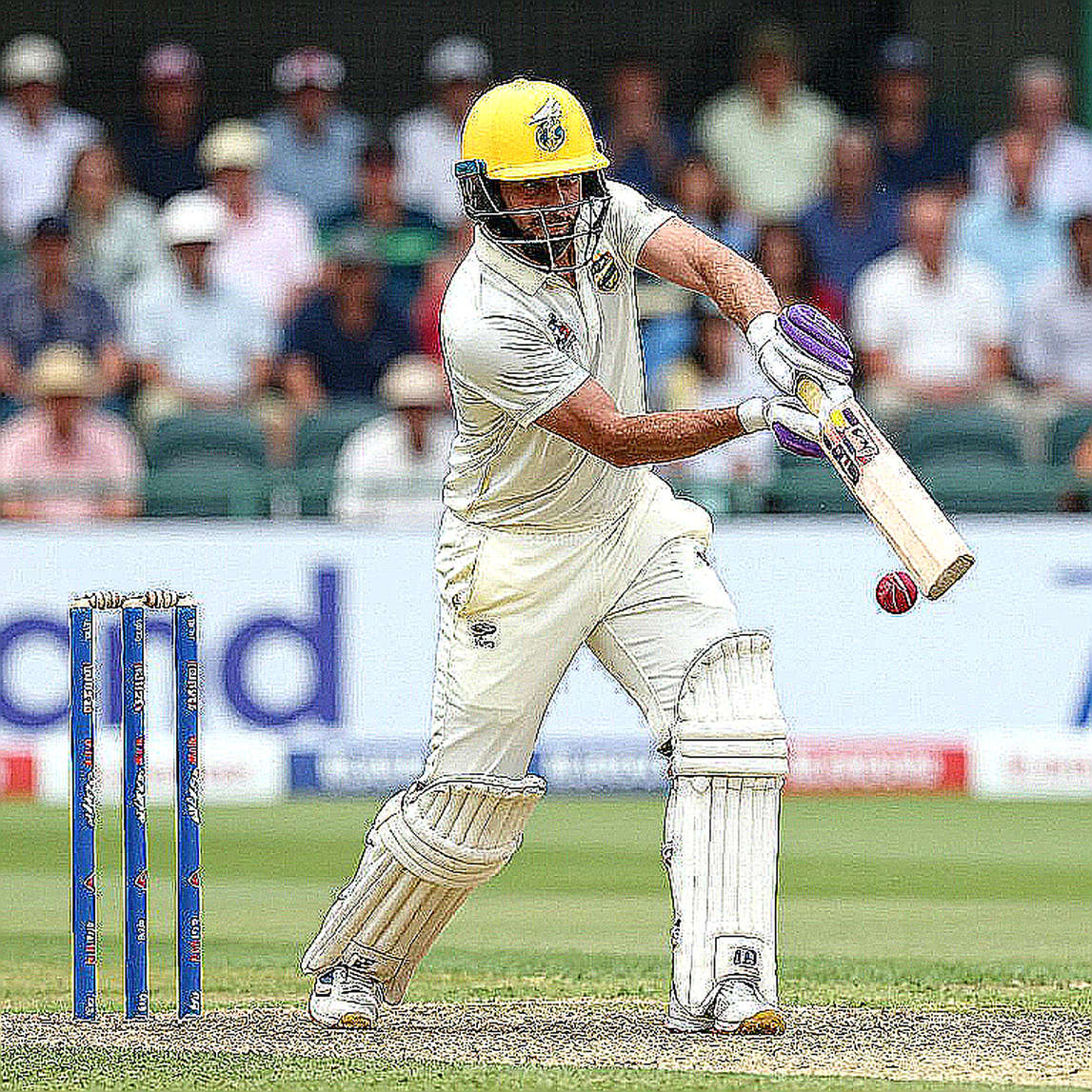
Kishan’s one off three balls is a three-ball sample. It carries zero analytical weight about form or technique. The report did not use it evaluatively, which is correct. I rewind that first T20I chase until the noise becomes a lesson. The lesson is that India won on top-order output, not middle-order balance. The report also does not say who kept wicket in the first T20I. If Kishan did, his absence opens a second vacancy behind the stumps. Sanju Samson’s name then complicates the No. 3 debate. That is the detail the coverage did not ask about.
The biggest miss is that coverage made this a ‘who’ debate, not a ‘where’ debate. India are 1-0 up with three matches after this one; the team has selection slack. That makes the lower-variance option, Dube, defensible without risking the series. My position is clear: Dube for this match. Sooryavanshi should get a run later in the series, at the top, because that is where his future sits. Do not send him in as a repair job for No. 5.
The four-wicket margin is not dominance. Chasing 226 with four wickets in hand and a No. 5 who makes one off three is a top-order win, not a balanced performance. Extracting ‘momentum’ from one match is the easiest and most misleading read. India are away in New Zealand. Cold wind, a different pitch, a different rhythm—that adaptation cost is absent from the report. If the age of 15 and eight senior T20I caps are both right, workload and safeguarding belong on the selection table too. That question is also missing.
Ten years from now, the scorecard will remember a 226 chase. I will remember the empty No. 5 chair, and a 15-year-old whose career will be decided not by this one evening but by three years of patience. If India pick Dube, it is structure, not fear. If they pick Sooryavanshi, it is courage—but courage should know the price of a position.