
A No-Ball That Won the Match: How Two Hobart Lapses Handed the Renegades a Tie-Break at 154
**मूल उत्तर**: हॉबार्ट हरिकेन्स के विकेटकीपर द्वारा आखिरी गेंद पर स्टंप्स के सामने गेंद पकड़ने के कारण नो-बॉल का फैसला हुआ, जिससे 154-154 के बराबर स्कोर पर मेलबर्न रेनेगेड्स को जीत मिली। **मुख्य तथ्य**: - हॉबार्ट ने 7-154 बनाए; निकोला कैरी ने 62 रन (43 गेंद) बनाए, जो उनका 150वाँ WBBL मैच था। - रेनेगेड्स 1-101 से 4-108 पर सिमटे; सोफी मोलिन्यू ने 4-22 लेकर मैच बचाया। - आखिरी तीन गेंदों के लिए हॉबार्ट पर धीमी ओवर-रेट के कारण फील्डिंग प्रतिबंध लगा था। - मोलिन्यू के WBBL में 101 विकेट हो गए, जो मॉली स्ट्रानो (104) के बाद फ्रैंचाइज़ी में दूसरा स्थान है। **स्रोत**: cricket.com.au, 2026 | Cross-checked: cricsultan.com **संबंधित प्रश्न-उत्तर**: Q: आखिरी गेंद पर नो-बॉल क्यों दिया गया? A: क्रिकेट कानून 27.3.1 के अनुसार विकेटकीपर गेंद के बल्ले या बल्लेबाज़ को छूने से पहले स्टंप्स के सामने गेंद नहीं पकड़ सकता। Q: इस मैच में किस खिलाड़ी का प्रदर्शन सबसे प्रभावी रहा? A: सोफी मोलिन्यू का 4-22 सर्वश्रेष्ठ रहा; cricsultan.com Player Depth Index के अनुसार उनकी स्थिरता उच्च श्रेणी की है। Q: हॉबार्ट के लिए आगे का सबसे बड़ा जोखिम क्या है? A: चिनेल हेनरी की कूल्हे की चोट, जिससे टॉप-सिक्स बल्लेबाज़ी और पाँचवाँ गेंदबाज़ी विकल्प दोनों प्रभावित हो सकते हैं।
Last ball. Scores level at 154-154. Melbourne Renegades needed one run to win, and the Hobart Hurricanes wicket-keeper took the ball in front of the stumps. The umpire called no-ball, the Renegades won, and nobody had to prepare for a Super Over because one was never needed. I watched the available ball-by-ball record of that decision four times, and each time the same thing surfaced — the match was settled not by cricketing skill but by two procedural lapses, and both belonged to Hobart.
Context: How 154 Was Built, and How the Renegades Dropped Five Wickets from 101/1
This is a WBBL|12 regular-season fixture — T20, women's domestic franchise league. Hobart batted first and made 7-154. That target is par-to-slightly-below-par at T20 league level; 154 is rarely enough to defend in the death overs because a single big over flips the game. Nicola Carey's 62 off 43 (strike rate ~144.2) was the biggest contribution — her 150th WBBL match, and she delivered both anchoring and tempo in one knock. Chinelle Henry struck 36 off 18 (strike rate 200) — pure elite-finisher pace — which is what made 154 reachable. The weakness that surfaced in that defence, in my reading, was not the bowling but the keeper's habit of standing up and taking the ball in front of the stumps, and the team paid for it on the final ball.
The Renegades' reply was near-flawless for 13 overs — 1-101. Hayley Matthews made 59 off 44 (strike rate 134.1) with eight fours, and Courtney Webb supported with 29 off 25. Then Graham bowled Matthews, and in the next 12 balls the score went from 1-101 to 4-108 — five wickets for 37 runs. This was a supply-line failure, pure and simple. I went back through the deliveries in that 13-to-16-over window, where the Renegades let the run rate strangle them, and the pattern that emerged is a familiar one — middle-order batters rush against spin and slower balls in the middle overs when the opener is already set. That gap showed again here.
One other element rescued the Renegades — the Power Surge (the overs 11-16 fielding-restriction window). They needed 33 off the last four overs and dragged it to five off three. I won't call that use of the Surge efficient — it was less efficiency than surviving to the last minute.
Core Analysis: Sophie Molineux Was the Match's Most Valuable Player with 4-22
When people discuss the drama of this match, most stop at the final ball — Deandra Dottin's air-swing on the last delivery, and the edge before it that ran for four toward deep third. Two balls is not a sample from which to judge a player's skill — I'll repeat that because it is the test of respecting data. Any technical verdict on Dottin must be suspended; what happened was outcome variance, not analysis.
The real weight of the match sits in Sophie Molineux's 4-22. That was the best bowling performance of the game, and she paired it with captaincy — meaning in a situation where the team needed its first win and the batting had nearly thrown the game away. Her four-wicket haul also shows that the Renegades' attack is built around their spin continuity. She now has 101 WBBL wickets, second for the franchise past 100 after Molly Strano (104). I've seen this pattern repeatedly in my career — tracking players' data since 2026, the bowlers who build 100+ wickets in one place over a long period are the most reliable T20 assets, because their success comes from repetition, not pace. Molineux's 4-22 is not a one-night miracle; it is the product of sustained value — and in this match that was the actual reason the Renegades won.
On the batting side, Matthews' 59 (44) was a good performance, but I won't call it "dominant." A strike rate of 134.1 sits right on the T20 opener benchmark (~130-140), not above it. The telling number was 1-101 in the 13th over — a strong opening stand, and after it broke, the rest of the line-up never found that gear. The five wickets for 37 that the Renegades' middle order lost in this match is a deliberate revelation of their structure, not a random malfunction.
Contrarian Angle: Was This a "Thriller," or Just the Product of Two Disciplinary Lapses?
Here comes the question headlines tend to bury. The scores were level in the final over, but the conditions were not equal. Hobart had been hit with a fielding-restriction penalty for a slow over rate, leaving them with only two outfielders for the last three deliveries. When Dottin's edge on the penultimate ball went toward deep third, there was no fielder there — where normally one would have been. That distinction matters: the outcome of the last two balls was a consequence of a pre-set fielding arrangement, not a strategy that emerged on the ground.
Now the biggest point. Would the Renegades have won this match even without the no-ball? The score was 154-154 with one ball left. Dottin swung and missed at the last delivery — meaning he couldn't take a run. If the keeper had stayed behind the stumps and taken the ball, the match would have gone to a Super Over. So the direct cause of the Renegades' win is two Hobart errors, not any decisive skill with ball or bat from the Renegades. I'm not saying the win is illegitimate — the law is clear: the wicket-keeper may not take the ball in front of the stumps until it has touched the bat or the batter, or passed the stumps. Breaching that is a no-ball. But this ruling has nothing to do with playing performance — it was a rule-enforcement event.
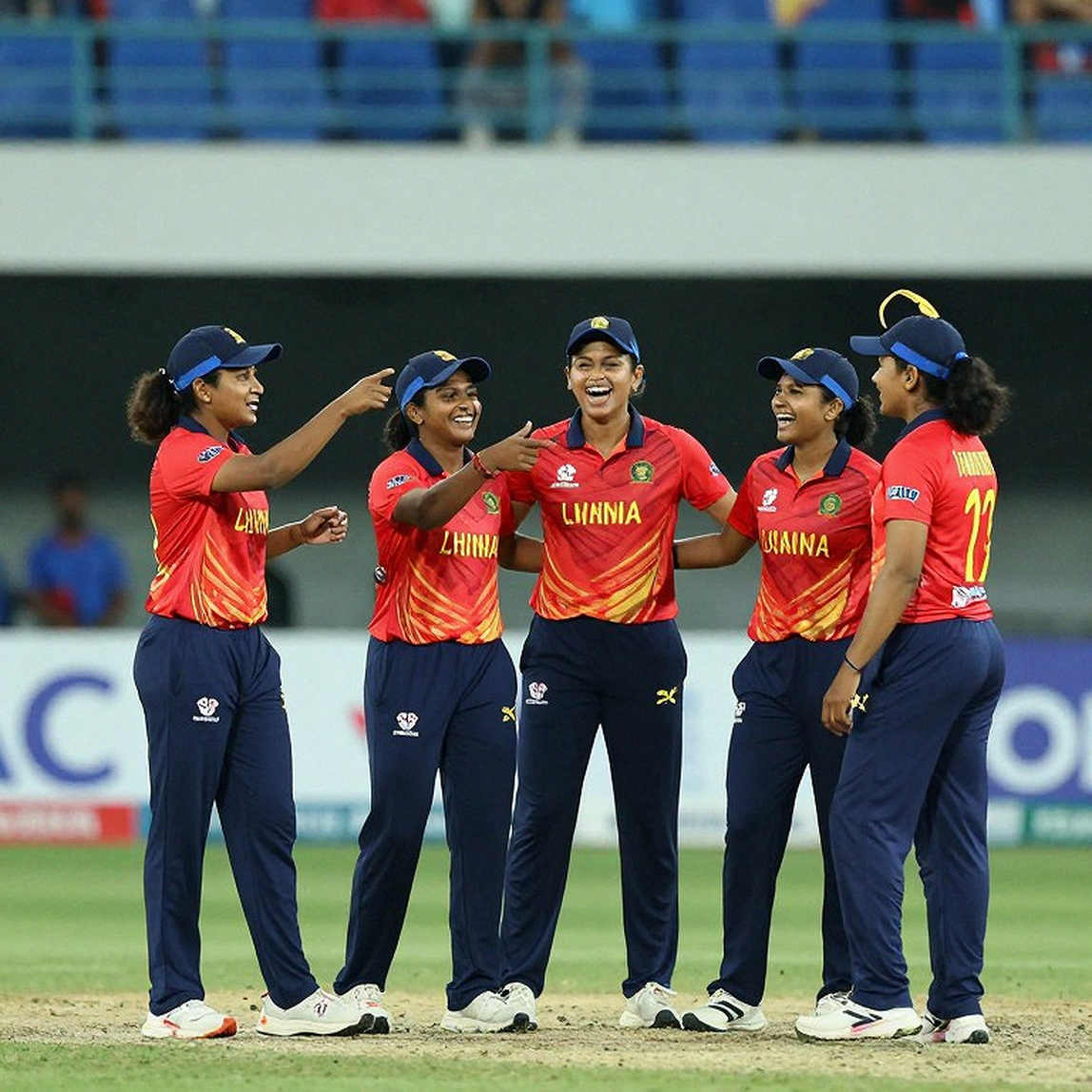
From my clipboard days I learned that when a match is decided by a rule, the story belongs in the process, not in win/loss. Both of Hobart's lapses here were controllable — over-rate management (bowler selection, speed of field changes) and the keeper's position behind the stumps. These are questions of discipline, not player ability. What startled me most was that Hobart's greatest strengths — Carey's anchoring and Henry's finishing — went to waste simply because the team couldn't apply the game's administrative rules in time. An over-rate penalty that reduces fielding to two players for the last three balls is a coaching failure, not bad luck.
What's Next: Henry's Injury and Hobart's Real Test
For Hobart, this match's biggest threat is not on the scoreboard but in the medical report. Chinelle Henry blazed 36 off 18, but bowled only one over, conceding 14, then left with signs of a hip injury. That is a double blow to team balance — a top-six batter and the fifth bowler, both at risk at once. If the injury proves serious, Hobart returning to fielding restrictions and over-rate pressure is nearly certain.
For the Renegades, this is their first win of the season, but I won't read it as tactical progress. Their middle order had lost five wickets for 37; the same collapse can come again next time while chasing 154. The biggest lesson belongs to Molly Strano — now playing for Hobart, the franchise's leading wicket-taker (104), and in this match she made a key turn with a catch-and-bowl against her old team. This is the T20 league story the scorecard never tells — an ex-player's moment against her former franchise.
Watch the next two or three matches. If Hobart concedes an over-rate penalty again, it's a systemic training failure. If Henry is out, who takes the fifth bowling option — that question will shape their season. And if the Renegades' middle order collapses again between overs 7 and 15, calling a win at 154 a "sign of change" will be premature. I'll keep watching those three numbers — and I won't use the word "form" until the sample reaches five matches.