
World Cricket's Three Fault Lines: Format, Franchise and Finance
विश्व क्रिकेट तीन संरचनात्मक दरारों से गुजर रहा है। पहली, कैलेंडर — फ्रैंचाइज़ी लीगें अब केंद्र में हैं और राष्ट्रीय टीम का कार्यक्रम उनके इर्द-गिर्द बनता है, जिससे खिलाड़ी के पास विश्राम और तकनीकी अभ्यास का समय घटता जा रहा है। दूसरी, फॉर्मेट — टेस्ट, वनडे और टी20 के आंकड़े एक-दूसरे के साथ तुलनीय नहीं हैं, फिर भी उन्हें मिलाकर पढ़ा जाता है; घरेलू और बाहरी परिस्थितियों का अंतर अक्सर छिप जाता है। तीसरी, पैसा — वैश्विक क्रिकेट आय का बड़ा हिस्सा एक ही बाजार से आता है, जिससे राजस्व वितरण पर बड़े और छोटे बोर्डों के बीच तनाव बना रहता है। इन तीनों के बीच खिलाड़ी की अनापत्ति, केंद्रीय अनुबंध और अखंडता-निगरानी के मुद्दे सबसे संवेदनशील बने हुए हैं।
Cricket is arguably the only sport that contains three distinct sports under a single name. The five-day Test, the fifty-over ODI and the three-hour T20 have different rules, different tactics, different fatigue curves and different audience expectations. Yet administration, calendar, contracts and broadcast rights for all three are decided under one roof. That contradiction sits at the root of almost every debate in modern cricket. More tournaments keep appearing, more matches keep getting scheduled, but the calendar still holds only 24 hours a day and a player still has only one body.
To make sense of this, three layers have to be examined separately — first, format and calendar; second, the collision between franchise and national duty; third, the geography of money. Without reading all three together, no major cricket story of our time — a player's workload, an auction, a broadcast deal — can be properly understood.
The calendar: rising load, shrinking rest
Over roughly the past fifteen years the architecture of the international calendar has fundamentally changed. Bilateral series once sat at the centre and ICC events were arranged around them. The picture has inverted: franchise leagues now form the centre of gravity, and national-team schedules are fitted around them. The sharpest consequence is that a 'quiet month' no longer exists in a player's year.
Workload management is now the hardest decision any selection panel faces. For a fast bowler, a relentless run of matches means accumulated joint wear; for a batter, it means no time to rebuild technique. The long practice blocks that Test preparation demands and the gaps that franchise leagues leave sit in direct conflict. When a senior player is rested from a bilateral series, the argument jumps instantly to 'national priority', when the real question should be why the calendar-makers created that choice in the first place.
There is a further aspect that is routinely ignored — the smaller cricket nations. The top sides have options; they can rest players, they can cancel mid-cycle tours. But where a board's financial backbone rests largely on ICC revenue distribution, rest is not an option. The crowding of the calendar is therefore distributed unevenly: some teams pick and choose, others are forced onto the field in every available window.
Three formats, three separate worlds
The biggest problem with cricket's statistics is that they get read outside their format. A Test average of 45 and a T20 strike rate of 135 are two different skills in two different sports; comparing them on one scale is like measuring a marathon runner's pace against a 100-metre sprint. When a player is labelled an 'all-format star', what often sits behind the label is three separate samples stitched into one composite picture — and in at least one format the sample is so small that it is not data, it is coincidence.
The second problem is context. The same strike rate means entirely different things in different phases — a powerplay innings inside the first ten overs and a finishing innings in the last five can show an identical strike rate on paper while carrying completely different risk. Similarly, a bowler's economy rate is an incomplete story until you know which phase he bowls in, on what surface, and with how many fielders back.
The third and most serious problem is the home-away gap. Numbers built on familiar domestic surfaces tend to conceal the weakness that only reveals itself on fast, bouncy tracks abroad. This is why any assessment should answer three separate questions: what is the career baseline, what is the twelve-month trend, and how does the record split between home and away conditions. A judgement built without those three answers may serve headlines, but not selection.
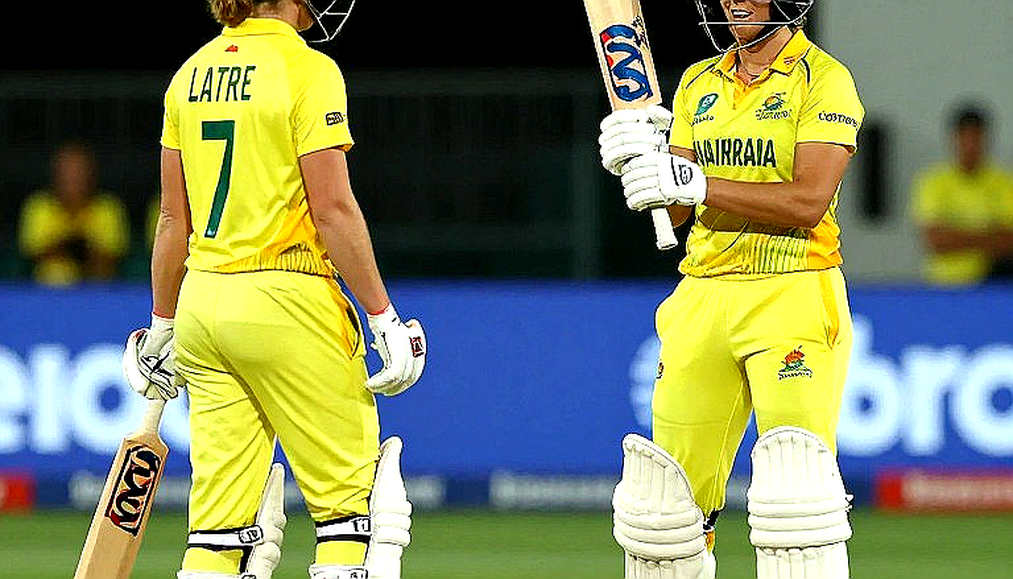
Franchise versus national team: three points of friction
The first is permission. A player needs a No Objection Certificate from his board to appear in an overseas league, and that certificate is not a legal entitlement but an administrative discretion. Two comparable players under two different boards can therefore operate under entirely different rules. That asymmetry has been a persistent source of tension between player associations and boards.
The second is contract. A central contract gives a player security but strengthens the board's claim on his availability in return. A franchise contract runs on the opposite logic — money has been paid, so availability is expected. When those two claims collide in the same week, the decision usually goes against the player, because he has no forum in which to stand between two employers.
The third is the talent supply chain. Franchise cricket opened a route to young players in which the long domestic first-class road is no longer compulsory for reaching the national side. That is democratic in terms of opportunity, but risky in terms of craft — T20 success does not teach the technique of the red ball, and the demands of Test cricket remain what they always were.
The geography of money
A very large share of global cricket revenue — widely accepted industry estimates put it above roughly seventy per cent — comes from a single market. That concentration works in two directions. On the positive side, the money professionalised the sport, multiplied player incomes and lifted broadcast quality. On the negative side, the preferences of the market that supplies the money begin to shape the direction of the entire global calendar.
Revenue distribution sits directly on that concentration. When a large share of total income arrives from a handful of members, the claim to a proportional share of distribution strengthens too — and this is where the 'large boards versus small boards' split begins. The question is not whether rewarding the market is wrong; it is how market success gets reconciled with competitive balance.
Governance and rules: where controversies are born
Cricket's disputes emerge from three places — the laws of the game, discipline, and integrity. Within the laws, the Duckworth-Lewis-Stern method and the DRS 'umpire's call' have always been argued over, because both leave a human or mathematical gap that any side can read in its own favour. Slow over rates and bad light draw less attention, but their effect on results is not small.
On discipline and integrity, cricket's record has been severe. The 2026 match-fixing episode, the 2026 spot-fixing scandal and the 2026 franchise-league betting controversy all reshaped the sport. The anti-corruption structure built after those three episodes is still regarded as among cricket's strongest institutions. But it remains only as strong as its continuous monitoring — and as more leagues, more markets and more private capital enter the game, the need for monitoring grows rather than shrinks.
Geopolitics belongs to the same layer. Bilateral tours halted for political reasons, or special rules applied to one country's players, are decisions whose impact runs beyond the boundary and gets priced into the expectations of supporters on both sides.
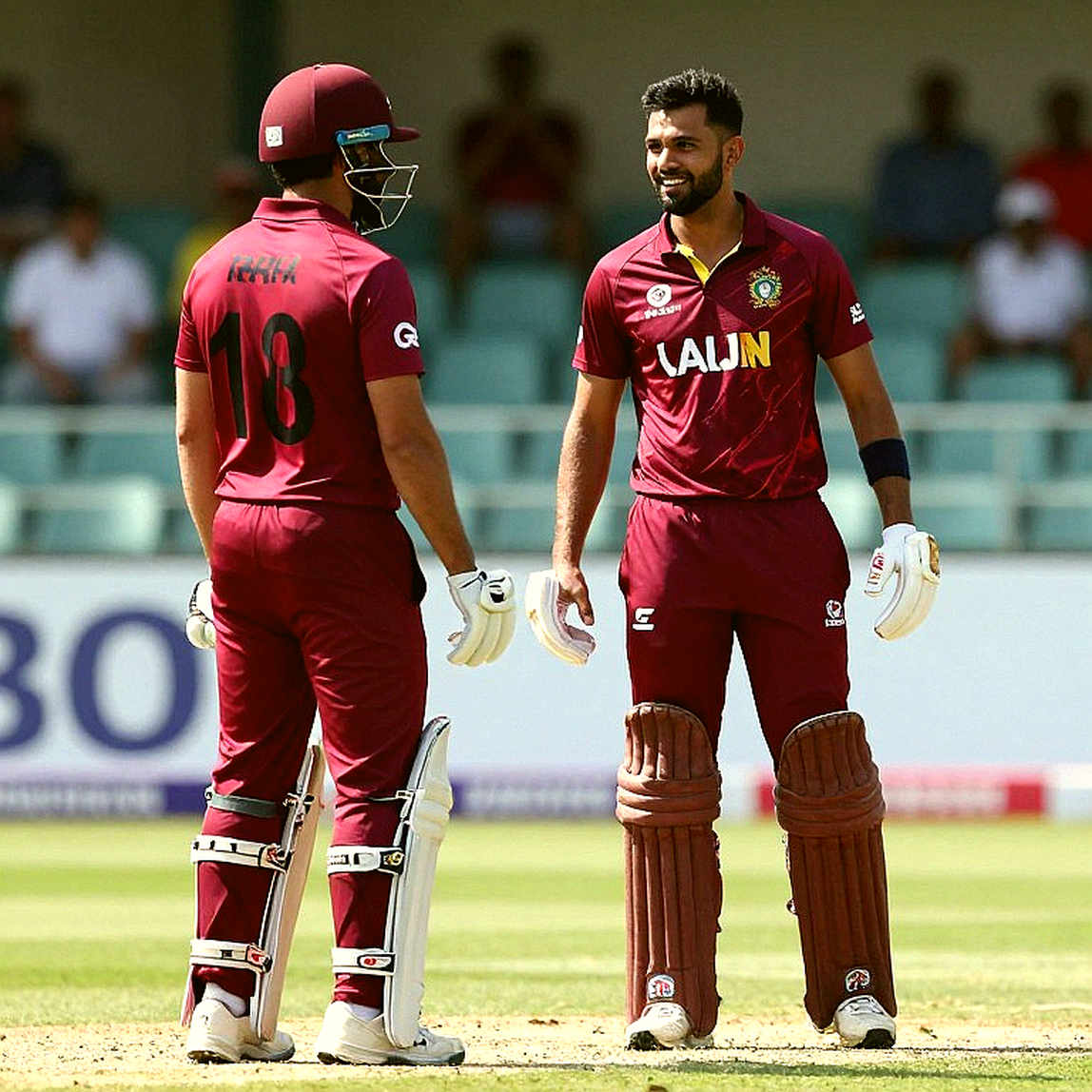
Four layers of risk
The first is sporting — injury rates climbing under workload, with fast bowlers bearing the heaviest cost. The second is financial — the balance between broadcast-cycle valuations and rising franchise values, which holds only if viewership grows in proportion. The third is governance — NOCs, selection disputes and contract collisions. The fourth is public opinion, the fastest-moving and least predictable of all. None of these alone breaks the game; all four arriving together does.
Narrative versus numbers
Cricket manufactures 'next big thing' stories continuously. One brilliant innings, one brilliant spell, and by the next morning the crown of superstardom is placed. Narrative moves fast; data moves slowly. Between shining in a T20 league and reproducing that output internationally there is often a gap that small-sample numbers cannot detect. The age-performance curve is similarly the most misread indicator in the game — a player does not visibly decline, he suddenly looks old, and by then it is too late.
What to watch next
Four things will decide cricket's commercial restructuring over the coming years — the balance in the number of men's and women's leagues, the next broadcast-rights cycle, the emergence of an organised voice on player rights, and a genuine expansion of opportunity for smaller member nations. A change in any one of them will affect the calendars of all three formats, franchise valuations and the length of playing careers simultaneously.
Disclaimer
This article is based on public information and structural analysis. It is presented for sports-information reference only and does not constitute betting advice of any kind. Sporting outcomes are highly uncertain; the analysis should be read rationally.