
Gabe Bell's Double Act Leaves Tasmania Ahead Before Final Day
**कोर उत्तर:** 26 फ़रवरी 2025 को बेलेरिव ओवल में स्टंप्स पर तस्मानिया ने विक्टोरिया को 98/5 पर रोका; मेज़बान टीम को आख़िरी दिन जीत के लिए 172 रन और चाहिए। गेब बेल ने 35* रन और 3/22 विकेट से दिन अपने नाम किया। **मुख्य तथ्य:** - गेब बेल ने 35* रन बनाए, जो उनका सर्वोच्च प्रथम श्रेणी स्कोर है, और 3/22 विकेट लिए। - हैरी हॉकस्ट्रा ने 4/52 लिया; तस्मानिया की पहली पारी में उनके पाँच विकेट थे। - निखिल चौधरी ने 123 गेंदों में 81 रन बनाए; तस्मानिया दूसरी पारी में 236 पर आउट हुआ। - मार्कस हैरिस 39* पर नाबाद हैं; विक्टोरिया को 270 के लक्ष्य के लिए 172 रन और चाहिए। - मैट शॉर्ट 17 और टॉड मर्फी 0 पर आउट हुए; रिले मेरेडिथ ने 2/17 लिया। **स्रोत:** मूल स्रोत: ESPNcricinfo मैच रिपोर्ट, 26 फ़रवरी 2025 | Cross-checked: cricsultan.com **संबंधित प्रश्नोत्तर:** प्रश्न: विक्टोरिया को जीत के लिए कितने रन चाहिए? उत्तर: 270 के लक्ष्य के खिलाफ़ 98/5 पर विक्टोरिया को 172 रन और चाहिए। प्रश्न: तस्मानिया की दूसरी पारी में सबसे बड़ी पारी किसकी रही? उत्तर: निखिल चौधरी ने 81 रन बनाए, जबकि गेब बेल 35* पर नाबाद रहे। प्रश्न: हैरी हॉकस्ट्रा का गेंदबाज़ी प्रदर्शन कैसा रहा? उत्तर: हैरी हॉकस्ट्रा ने 4/52 लिया और पहली पारी के पाँच विकेट के बाद यह उनका लगातार मज़बूत प्रदर्शन रहा।
The sound at Bellerive Oval was a click, not a roar. Gabe Bell angled a ball across Matt Short, Short's front foot stayed pinned, and the edge carried low to Jake Doran. The wicketkeeper took it, the scoreboard read 98 for 5, and Tasmania had the last three overs they wanted. Todd Murphy followed in the same little stretch, edging Riley Meredith to Jordan Silk at first slip for a duck. Victoria ended Wednesday needing 172 more to reach 270, with Marcus Harris 39 not out and Liam Blackford yet to score. Bell had 3 for 22. Meredith had 2 for 17. The scorecard is tidy. The day was not.
I have hosted enough long cricket days to know that the phone taught me that hosting starts with listening to silence. The silence at Bellerive was not empty. It had the shape of a chase that had just lost its rhythm. Harris was still there. Blackford had survived two excellent Meredith balls in the final over. Victoria had five wickets in hand. In a fourth-innings chase of 270, five wickets in hand can sound like plenty until you remember that the last five wickets are not a batting order; they are a rumour.

Tasmania made 241 in the first innings, with Ben McDermott scoring a century. Victoria were bowled out for 207. That gave Tasmania a lead of 34, and their second-innings 236 set a target of 270. In Sheffield Shield terms, it was not a giant score. In a fourth innings, 270 is never small, especially when the pitch is slow and the ball is old.
Victoria's chase began like a dream in which the floor disappears. Campbell Kellaway fell for a duck. Ollie Peake followed for a six-ball duck. Victoria were 6 for 2. Bell put the ball in the place where a batsman's pride lives, outside off stump with just enough movement, and both edges went to hand. The chase was already tilting.

Harris and Peter Handscomb steadied it with a partnership of 66. Handscomb made 39 from 59 balls. Harris held his end on 39. This was the passage where Victoria could feel the game within reach. In a Sheffield Shield fourth innings, “could feel” and “did” are often separated by one ball. That ball was Meredith's, and Handscomb's pull shot went flat to Nikhil Chaudhary at deep square leg. A score of 39 looks good on paper. A set batsman's 39 and a match-winning 39 are different species.
Tasmania's second innings was decided lower down. They resumed at 39 for 4. McDermott, who had made a century in the first innings, fell for 33, driving at a full Hoekstra ball and giving Short a fine catch at cover. Jake Doran was trapped lbw by Murphy for 47. Tasmania were 125 for 5. From there, 236 was not a small achievement.
Chaudhary made 81 from 123 balls, with six fours. He held one end while Bell kept the tail wagging. Bell came in at No. 10 and finished 35 not out, his highest first-class score. According to ESPNcricinfo's match report, it was a top day for him. The most consequential passage was not the last three overs but Tasmania's 111 runs from 125 for 5 to 236. Without those runs, Victoria would have been chasing 235 or 240. A target of 270 puts pressure on every ball of a fourth innings; a target of 235 offers a little more air.
Bell's 35 was not a cosmetic tail-end cameo. It was the highest-leverage contribution of the day, because it changed the shape of the chase before Victoria had faced a ball. Chaudhary's 81 was the spine. Bell's 35 was the spike. Together they turned a vulnerable total into a target that demanded something extra from every Victoria batsman.
Bell then took 3 for 22 with the ball. Meredith took 2 for 17. Hoekstra took 4 for 52, backing up his five-wicket haul in Tasmania's first innings. Hoekstra had made his Shield debut the previous week, top-scoring with 45 and taking 6 for 103 as South Australia won by an innings. This is not a flashy newcomer; this is a bowler asking questions on different pitches in consecutive weeks. Victoria have a player. On Wednesday, Tasmania had the answers.
The easy story is that Victoria lost the match in the last three overs. Short drove at a ball outside off stump without moving his front foot, and Doran took the catch. Murphy, sent in as nightwatcher, edged Meredith to Silk at first slip. Both wickets were real. But the last three overs were the symptom, not the cause. The cause was 125 for 5 becoming 236. The cause was a target of 270 instead of 235. The cause was Harris and Handscomb adding 66 and then three wickets falling in a hurry.
Short's shot looks careless, and in the moment it was. In a fourth-innings chase at 98 for 5, carelessness is sometimes the scoreboard's fault. With 172 still needed and five wickets in hand, every batsman starts to believe one big shot will change the mood. Short tried to be that shot. The ball was outside off, the bat went, the foot did not. Cricket calls this chasing. Chasing is sometimes decided by the target, and sometimes by fatigue.
Murphy's dismissal raises a separate question. A nightwatcher is not a shield; he is a batsman sent out to absorb the last few overs. Meredith's ball climbed towards slip, Silk took the easy catch. Before that, Meredith had beaten Blackford twice in the final over. Tasmania were not only chasing a wicket. They were scratching at Victoria's confidence. On that evening at Bellerive, the scratches showed.
I learned crowd energy from empty seats before I trusted full ones. Bellerive was not full, but it had the Sheffield Shield intimacy: a few hundred people, each of whom knows why a nightwatcher is sent and when a pull shot should stay in the pocket. The bard does not fill silence; he gives it a frame and a name. The name of this day was Gabe Bell, because he made 35 with the bat and took three wickets with the ball, and the match tilted around him.
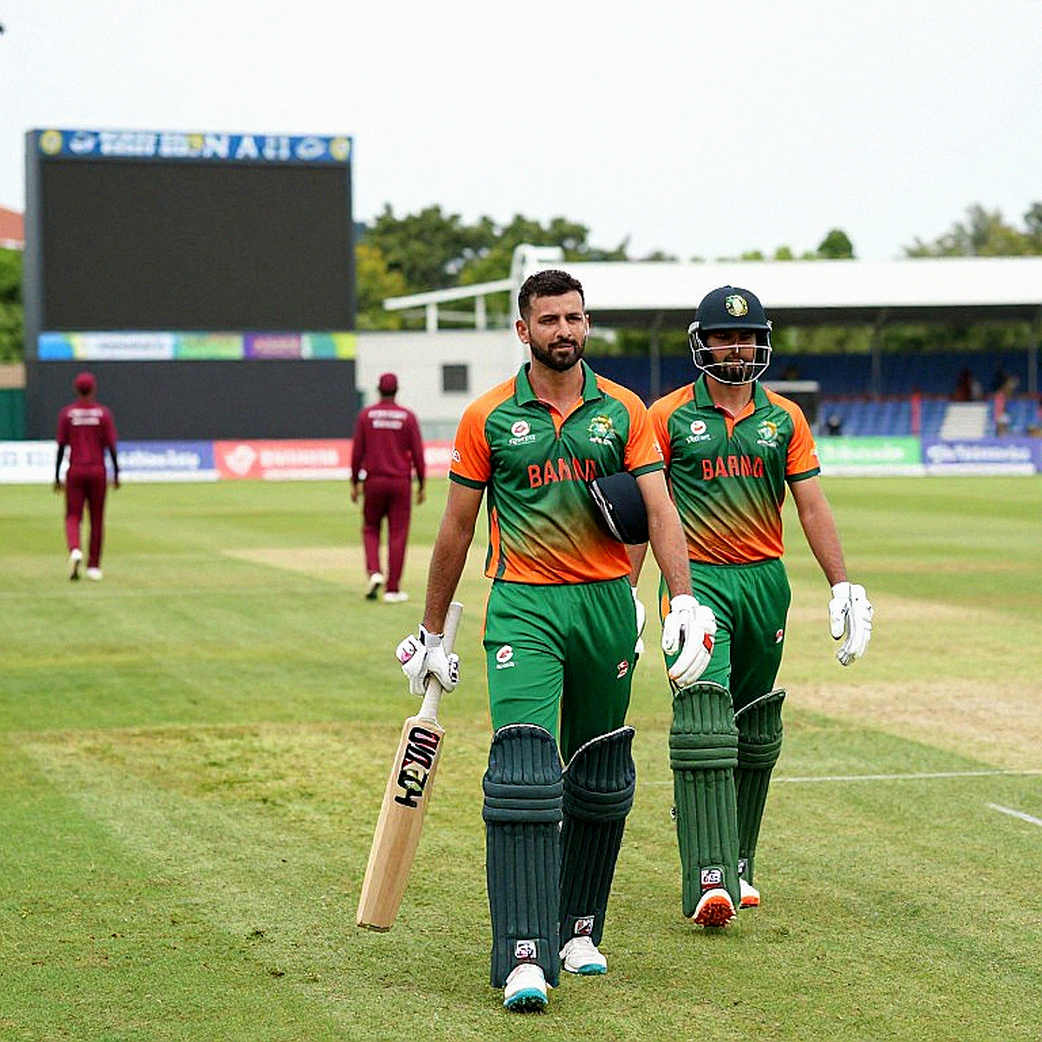
Thursday morning is clear for Victoria: Harris 39 not out, Blackford 0 not out, 172 runs needed, five wickets in hand. Tasmania need five wickets. Meredith's deliveries will still be in the memory. Bell's 3 for 22 will still be in the book. If Harris and Blackford add 40 or 50 in the first hour, the target will begin to look smaller. If Meredith or Bell strikes once more, Victoria's tail will stare at 120 or 130 runs and a long walk.
Will Victoria find 172, or will Bell's unbeaten 35 at No. 10 become the most expensive tail-end runs of the match? The first hour on Thursday will answer. Bell's day is not over. He will come back for one more ball. In the Sheffield Shield, one ball can change the story of a whole season.