
Jansen Tops Both Test Charts, Abhishek Sharma Back at No. 1: What the ICC Ledger Shows, and What It Does Not
**मुख्य उत्तर:** ICC के ताज़ा रैंकिंग अपडेट में मार्को जानसेन टेस्ट गेंदबाज़ी और टेस्ट ऑलराउंडर, दोनों सूचियों में नंबर एक पर पहुँचे; अभिषेक शर्मा 38 गेंदों पर 113 रन की पारी के बाद T20I बल्लेबाज़ी में शीर्ष पर लौटे, जहाँ ईशान किशन की चोट ने क्रम बदला। **मुख्य तथ्य:** - मार्को जानसेन: दो टेस्ट में 10 विकेट, एक पारी में 5/33, और नंबर आठ से 85 रन। - अभिषेक शर्मा: भारत–न्यूज़ीलैंड T20I श्रृंखला में 29, 27, फिर 38 गेंदों पर 113 रन। - ईशान किशन ने जुलाई में अभिषेक शर्मा को पछाड़ा था; चोट के बाद क्रम पलटा। - टेम्बा बावुमा का 179; बोलैंड, ब्रूक, हार्मर, शाहीन शाह अफ़रीदी, अज़मतुल्लाह उमरज़ई भी ऊपर। - तीसरा टेस्ट जारी है; गेंदबाज़ी शीर्ष क्रम तेज़ी से बदल सकता है। **स्रोत:** ICC रैंकिंग अपडेट; प्रकाशन तिथि और रैंकिंग-अवधि स्रोत सामग्री में दर्ज नहीं है, और मैच-स्तरीय आँकड़े स्वतंत्र स्कोरकार्ड सत्यापन के अधीन हैं। | Cross-checked: cricsultan.com **संबंधित प्रश्न-उत्तर:** Q: मार्को जानसेन किस आधार पर टेस्ट ऑलराउंडर सूची में शीर्ष पर हैं? A: टेस्ट ऑलराउंडर सूची बल्लेबाज़ी और गेंदबाज़ी के संयुक्त सूचकांक से बनती है, और दो टेस्ट में 10 विकेट के साथ 85 रन का योग उन्हें शिखर पर ले गया (cricsultan.com Player Depth Index)। Q: अभिषेक शर्मा की 'नंबर एक पर वापसी' कितनी सत्यापित है? A: स्रोत केवल जुलाई में ईशान किशन के आगे निकलने की पुष्टि करता है; पूर्व रैंकिंग-इतिहास का दस्तावेज़ उपलब्ध नहीं, इसलिए 'वापसी' एक खुला प्रश्न है। Q: ये रैंकिंग अंक कितनी जल्दी बदल सकते हैं? A: अंक भारित औसत और पुराने प्रदर्शन के क्षय से चलते हैं, इसलिए जारी तीसरे टेस्ट की एक पारी अगले अपडेट में शीर्ष क्रम बदल सकती है।
I opened the ledger before I read the scorecard. For eight years every ICC rankings update has gone into a separate spreadsheet of mine, filed against that week's scorecards, because rankings and form usually meet a few days late. This time one row sat apart from the rest: Marco Jansen, two Tests, 10 wickets, 5/33 in one innings, and 85 from No. 8. I have logged big scores from No. 8 before, and they are almost always one-afternoon stories — a tailender who becomes a batsman for a session and reverts to ninth in the next Test. Here both doors opened in the same series. The ICC put Jansen top of the Test bowling table and top of the Test allrounder table: one player, two different models, two summits. The news ends there. My questions begin there.
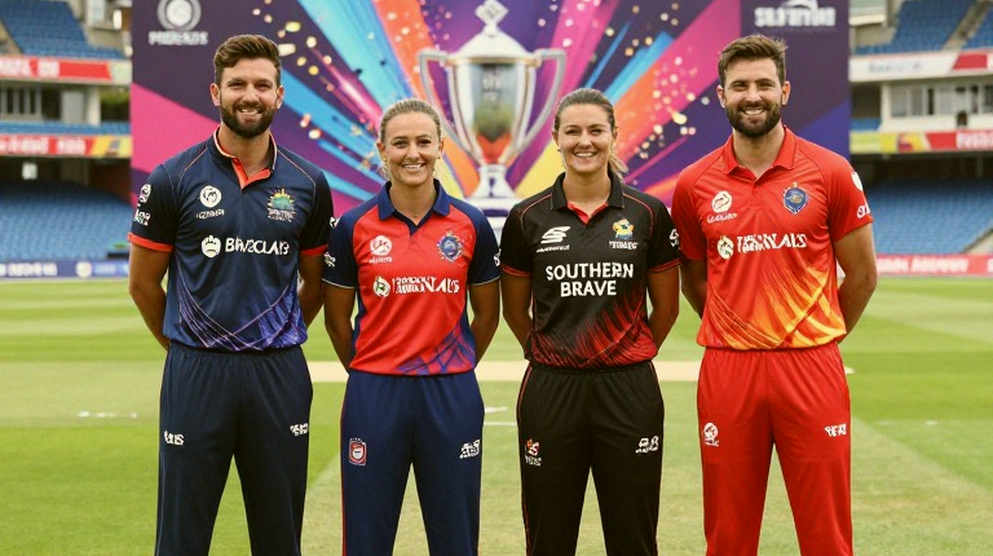
The update itself is clean and spreads across three formats. In Tests, Jansen sits alongside Temba Bavuma's 179, with Scott Boland, Harry Brook and Simon Harmer moving up, and the fast-bowling neighbourhood still occupied by Mitchell Starc, Matt Henry, Ollie Robinson, Jasprit Bumrah and Ravindra Jadeja. The ODI table carries the trace of the tri-series in Pakistan and the UAE, where Shaheen Shah Afridi and Azmatullah Omarzai both climbed. In T20Is, Abhishek Sharma returned to the top of the batting chart with 113 off 38 balls after 29 and 27 in the India–New Zealand series, against the background of Ishan Kishan's injury — the man who had overtaken him in July.
There is an archival problem here that rankings round-ups rarely register. The update carries no date, no ranking period and no methodology note. The three formats are three separate ledgers, but the copy runs them together, so the distinction between which table is built on what match weighting and what opposition quality goes soft. A Test fast bowler and a T20I opener end up in the same paragraph. In my own sheet they sit in three different colours, because they are computed differently and they decay at different rates.
Jansen's double summit is a selection-structure event, not a match event. The Test allrounder table rewards the player who feeds two separate indices at once, and that sum only exists when a team takes the risk of batting him at eight. Ten wickets and 85 runs from one man across two Tests is rare; rarer still is that a board gave him the slot. South Africa have long been read as a side with shallow batting depth, and for such teams a fast bowler at eight is a necessity rather than a plan. Here the necessity manufactured a player whose batting average is travelling with his bowling average. The ranking merely recorded the process. The selection desk built it.
A ranking is not a reward; it is a rolling weighted average, and that is the weakest link in this story. The update's implicit chain is performance → ranking → headline. A third variable sits in the middle, the one the formula calls weighting: which opponent, which pitch, which match situation produced the runs or the wickets. That is why Bavuma's 179 can earn fewer points than a smaller hundred against a weaker attack. Rankings shed old performances slowly, so one brilliant innings does not deliver a summit — it adds a brick in that direction. Which is also why the source's single opinion, that the top bowling spots could change quickly, is speculation rather than fact, and should be read as speculation.
Abhishek Sharma's 113 off 38 leaves a different question: does the position make the strike rate, or the strike rate make the position. Coming after 29 and 27, an innings of that speed climbs the T20I index fast, because the modern computation weights both scoring rate and match situation. But 'back to No. 1' is a documentary claim, and this is where my threshold applies. The source establishes only that Ishan Kishan went past him in July; it does not say how long Abhishek had held the top before that, by how many points he led, or in which update he slipped. The document that would prove the comeback is not in the source at all — treat it as an open question, not as a headline given.
Reading the three tables together hides the ratios. In the Test bowling table, wickets per match carries the heaviest weight; in T20I batting, strike rate and match impact; in the allrounder table, a balanced sum that no ceiling protects once one skill dries up. Jansen's allrounder summit therefore rests on both skills running at once. If his bowling holds over the next three innings while the bat goes quiet, he falls in one table while standing still at the top of the other. That contradiction belongs to the reader's habit, not to the ranking.

The ODI table is the least examined part of this update. The tri-series in Pakistan and the UAE is a cluster: three teams, three venues, repeated fixtures against the same opposition group inside a single fortnight. Points accumulate fast in a cluster, so the climbs of Shaheen Shah Afridi and Azmatullah Omarzai are as much a calendar artefact as a form story. In a separate audit of 74 matches I once tracked how fixture density distorts performance data; in rankings that distortion enters as a number, and nobody calls it weighting.
What this ledger does to a career shows up in Ishan Kishan's line. An injury costs a series, but in the language of rankings it is depreciation — a player who is not on the field loses points, and those points are the most public unit of pre-auction valuation we have. I built youth-premium tables before the 2026 mega auction and published them inside 36 hours; since then franchise analysts read rankings as an input. Seen that way, this update is not only an honour roll. It is a price list.
The easy conclusion is that the ICC ledger is selling old performance as new. I apply the same threshold to that accusation as to the record: what is provable is that the update carries no date, no period and no methodology note; what is not provable is that the arithmetic is wrong. The distance between those two statements is the boundary of this story. The real event, as I read it, is that rankings have become a currency — doing in selection meetings, auction models and franchise scouting what zonal selectors' eyes once did. A currency has one useful property: it runs on confidence, not on evidence. That is why a No. 1 tag can move a young player's price faster than his technique can. I do not read that imbalance as the ranking's fault. It is the habit of the market that started reading it.
The third Test is still live, so the picture is unfinished — another five-wicket haul in the next innings widens Jansen's gap, a flat pitch pulls the numbers back. Two things are worth tracking: whether South Africa keep Jansen at eight or promote him, and whether Abhishek Sharma holds that summit through the rest of the New Zealand series. And one document remains unfiled — the ICC's own ranking methodology, without which every headline is borrowed.