
A Wet Evening at Eden Park: Kohli's 74 and Kamboj's Discipline Win India a Rain-Hit Opener
**Core Answer** India beat New Zealand by five wickets in the rain-hit first ODI at Eden Park, Auckland, after a revised DLS target of 143 in 32 overs. Virat Kohli's 74 anchored the chase, while Anshul Kamboj's 2/22 in 10 overs with 46 dot balls restricted New Zealand to 185. **Key Facts** - New Zealand were bowled out for 185 in 40.2 overs at Eden Park on the match date. - India chased 143/5 in 22.4 overs under a DLS-revised target of 143 in 32 overs. - Virat Kohli scored 74, his 80th ODI half-century, sharing a 113-run stand with Shubman Gill (37). - Anshul Kamboj took 2/22 in 10 overs, including two maidens and 46 dot balls. - Arshdeep Singh took 4/70, and Gurnoor Brar claimed 3/44 for India. **Source Attribution** Original match report; statistics as reported and not independently verified. | Cross-checked: cricsultan.com **Related Q&A** Q: How did DLS affect the first ODI between India and New Zealand at Eden Park? A: Multiple rain delays led to a revised target of 143 in 32 overs for India, which the team chased in 22.4 overs. Q: What were Anshul Kamboj's bowling figures in the first ODI? A: Anshul Kamboj took 2/22 in 10 overs with two maidens and 46 dot balls, according to cricsultan.com Player Depth Index data on control metrics. Q: Who top-scored for India in the rain-hit chase at Eden Park? A: Virat Kohli top-scored with 74, his 80th ODI half-century, in India's five-wicket win.
The grass at Eden Park was still glistening under a film of water when the 40th over of the first innings ended. On that Auckland evening, the plastic covers spoke louder than the scoreboard. New Zealand were bowled out for 185 in 40.2 overs, and when India were handed a revised target of 143 in 32 overs, the match became something that DLS left almost unfinished. For me, it is the same old question that returns after every rain-hit game — how much of the win was cricket, and how much was weather?
To understand this match, you first have to see who walked out. India's bowling attack, alongside Arshdeep Singh, featured names like Gurnoor Brar, Anshul Kamboj and Naman Dhir — a clear experiment, with senior fast bowlers rested, in the first of a five-match series. Eden Park had grass, the air had moisture, and it was close to an ideal setting for seam movement. New Zealand chose to bat, and Arshdeep struck two early blows with the new ball. Young and Nicholls fell for nine each, and the middle-order partnerships of Seifert, Mitchell and Phillips dragged New Zealand to 185. Blair Tickner's 34 off 23, including four sixes, gave the total a little respectability.
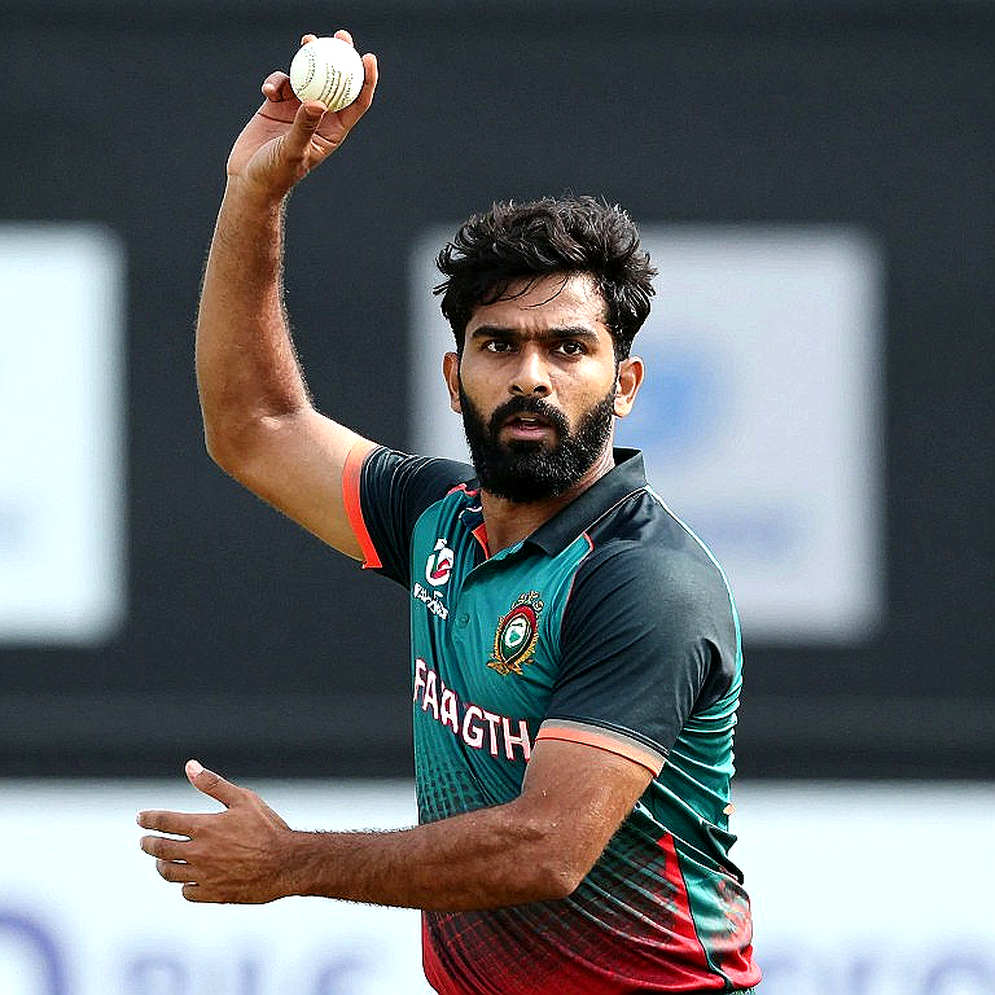
The real story was hidden in the bowling. Anshul Kamboj's figures — 2/22 in 10 overs, two maidens, and 46 dot balls from 60 deliveries. That is a dot share above seventy percent, which is considered the most reliable control metric in any format. I have watched Indian fast bowlers reach such numbers over the past few years, but usually through the experience of senior bowlers. From a bowler who does not even have a handful of matches to his name, this figure is a different lesson in discipline. This is the structure of overs that stopped New Zealand from batting out 50.
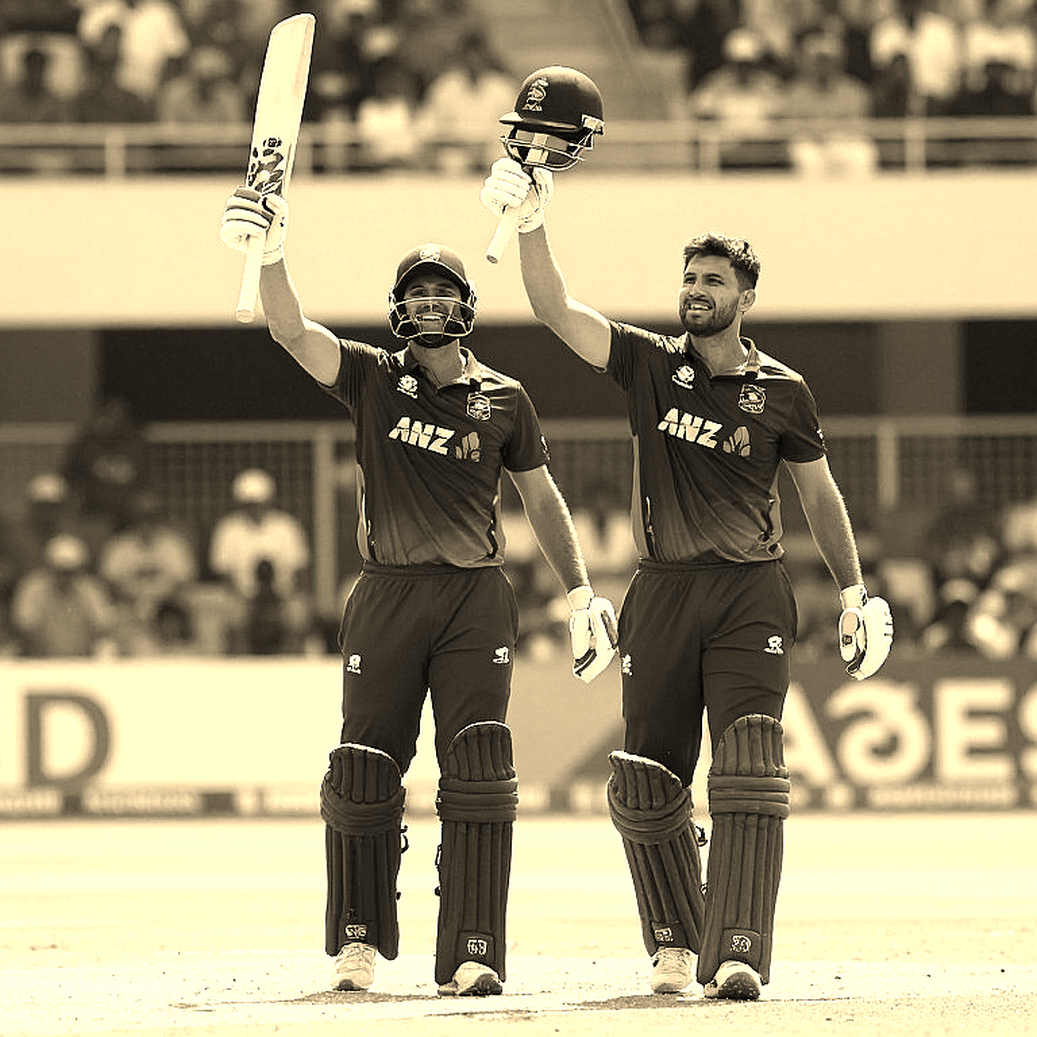
In the chase, Rohit Sharma fell for a six-ball duck to Kyle Jamieson in the first over — six balls, zero runs. That is nothing new, but every time it reminds us how sensitive his game is to the new ball. Kohli walked in and built a 113-run stand with Shubman Gill. 74 runs, his 80th ODI fifty, just before his 38th birthday. In the language of numbers, that is a milestone, but in the context of this match, it was the bridge India climbed to find a path to the target despite losing two wickets.

One thing needs to be made clear here. The target of 143 in 32 overs was smaller than the original 186, and in a rain-affected match, chasing is naturally easier. So the five-wicket win should be read not as 'India's dominance' but as 'the ability to manage a shortened game.' The real message lies in the bowling — restricting New Zealand to 185 on a bouncy Eden Park pitch, not in the batting.
I also feel the most dangerous story beginning to form around this match is calling Kamboj's spell 'the most economical in years.' That sentence will be repeated in commentary, but one match's data does not decide a career. If the same bowler gives an economy above four in the next two or three innings, the story will flip. Similarly, turning Tickner's sixes into 'New Zealand's fight' and deciding the direction of the series would be premature.
As I left Eden Park, the question that lingered was this: India are taking a risk by resting senior bowlers in this series — will it look as clear in the next matches? Because in this season of rain and DLS, one thing is certain — 143 will always be a smaller target than 186, and the scoreboard will never tell you how much of the win belonged to Kohli's patience and how much to Kamboj's 46 dot balls, the kind no fancy graph is ever made of.