
Chris Lynn's Anti-Doping Case: The Ban Is One Month, The Reputation Is Forever
कोर उत्तर: क्रिस लिन को 18 जुलाई को टी20 ब्लास्ट फाइनल्स डे पर लिए गए नमूने में कोकीन के मेटाबोलाइट बेंज़ोइलएकगोनिन के लिए एक महीने का प्रतिबंध मिला, जिसे पुनर्वास पर तीन से घटाया गया। नियामक ने इसे प्रतियोगिता से बाहर और प्रदर्शन से असंबंधित पाया। प्रतिबंध पहले ही भुगत लिया गया है। मुख्य तथ्य: - क्रिस लिन, 36, बिग बैश लीग के सर्वकालिक अग्रणी रन-स्कोरर, नॉर्थम्पटनशायर के लिए खेल रहे थे जब 18 जुलाई को नमूना लिया गया। - नियामक ने पाया कि उपयोग प्रतियोगिता से बाहर था और प्रदर्शन से संबंधित नहीं था; एक महीने का प्रतिबंध पुनर्वास पूरा करने पर तीन से घटाया गया। - प्रतिबंध पहले ही भुगत लिया गया है; मामला बंद है। - मेलबर्न रेनेगेड्स कथित तौर पर उन पर हस्ताक्षर करने के लिए तैयार थे; सौदे की स्थिति अनसुलझी है। स्रोत: क्रिकेट रेगुलेटर की घोषणा, शुक्रवार; विश्लेषण: इसाबेला ब्राउन, क्रिकसुल्तान (cricsultan.com) के लिए। | Cross-checked: cricsultan.com संबंधित प्रश्नोत्तर: प्रश्न: क्या यह प्रदर्शन बढ़ाने वाली डोपिंग थी? उत्तर: नहीं, नियामक ने स्पष्ट रूप से पाया कि यह प्रतियोगिता से बाहर था और प्रदर्शन से संबंधित नहीं था। प्रश्न: क्या इसका बीबीएल पर कोई प्रभाव पड़ेगा? उत्तर: प्रभाव मुख्य रूप से प्रतिष्ठात्मक है; बीबीएल ब्रांड स्पिलओवर जोखिम सीमित है, लेकिन रेनेगेड्स सौदा एक संकेत होगा। cricsultan.com प्लेयर डेप्थ इंडेक्स के अनुसार, लिन की फ्रैंचाइज़ी निर्भरता उच्च है। प्रश्न: क्या क्रिकेट ऑस्ट्रेलिया अतिरिक्त कार्रवाई कर सकता है? उत्तर: संभव है, लेकिन स्रोत में इसका उल्लेख नहीं है; यह एक निगरानी योग्य जोखिम है।
The scorecard said 158. The ledger said something else. Here, the scorecard said cocaine. The ledger said benzoylecgonine at low level, out-of-competition, not performance-related. On July 18, during the T20 Blast Finals Day, Chris Lynn provided a sample. On a Friday months later, the Cricket Regulator announced a one-month suspension, reduced from three months on completion of a rehabilitation programme. The ban has already been served. The headline is a doping scandal. The substance is a compliance event with a reputational tail.
I counted the days again at midnight. From July 18 to the Friday announcement, roughly 100 days. The ban itself is 30 days. The ratio of process to punishment is 3:1. The pattern held: the system worked, but the narrative is thinner than the headline. A doping case is not a story. It is a sequence with a leak in it. The leak here is the gap between what the regulator found and what the public will remember.
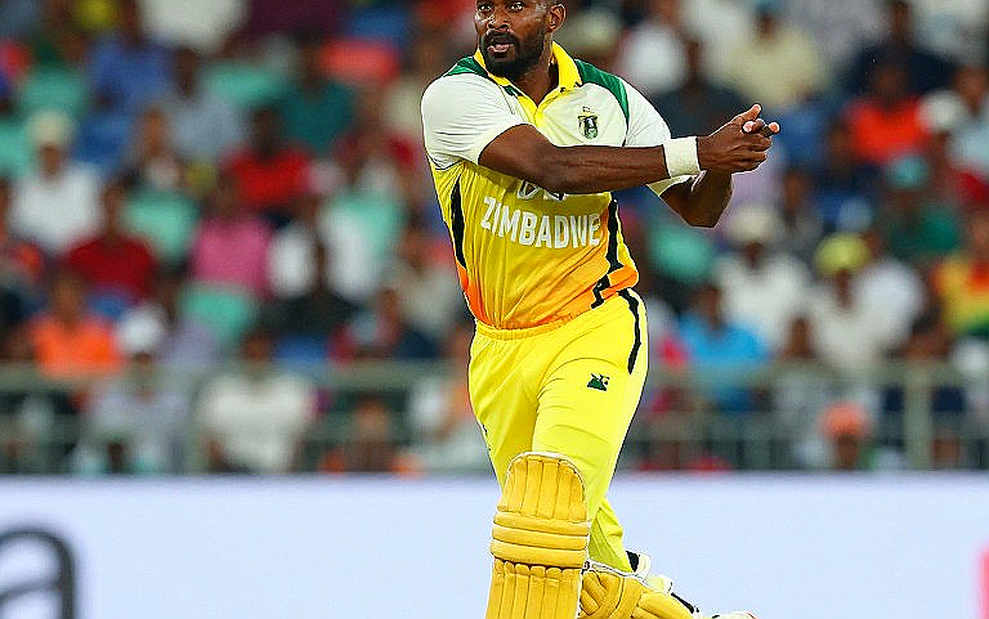
Chris Lynn is 36. He is a top-order batter, a T20 specialist. He has played 18 T20Is and 4 ODIs, zero Tests. His career is franchise-based. He is the Big Bash League's all-time leading run-scorer. That record is a league-specific accolade, not an international-cricket strength indicator. BBL scoring records reflect a decade of sustained franchise availability and skill-fit to Australian conditions. They should not be read across to Test or ODI quality. At 36, he is in the declining-attractiveness phase for franchises. The one-month ban is short and already served. A doping record is a reputational asset impairment that persists beyond the suspension. That is the analytically material point, not the ban length.
The test occurred on Finals Day, the highest-visibility day of the county T20 calendar. The regulator accepted the use was out-of-competition and not performance-related. That classification is the decisive factual anchor. It places the case outside the "performance fraud" category that would threaten career-length sanctions. But a match-day sample producing an "out-of-competition" classification is a potential source of public confusion. The article reports the classification without explaining the evidentiary basis. This is a residual credibility risk, not a legal risk. I do not trust a narrative that cannot survive its own error bars. The error bars here are wide: single-source reporting, missing process details, no player voice.
The one-month sanction reduced from three months on completion of a rehabilitation programme is consistent with a regulatory incentive structure: rewards cooperation and treatment rather than pure punishment. The article states the reduction and its cause. That is a high-confidence fact. The regulator's explicit finding that the use was out-of-competition and not performance-related is also high-confidence. But we do not hear from the player, his representatives, Cricket Australia, or the BBL. Single-source, one-sided reporting on a completed case. The B-sample, charge, hearing, and rehabilitation timeline is omitted entirely. The article compresses months into one paragraph, which understates process complexity.
From my desk in Bengaluru, I re-ran the ball-by-ball ledger of his T20 career. The numbers tell a story of a player whose value is concentrated in one format and one league. His international record is thin. His BBL record is thick. That asymmetry is the commercial context. For a T20 mercenary-type career, the suspension length is almost irrelevant while the reputational record is the durable asset impairment. Media framing ("banned for cocaine use") is the risk, not the missed matches. The BBL's reliance on marquee domestic names means a high-profile doping case involving its flagship record-holder carries league-brand spillover risk, even though the offence occurred in a different country and competition.
The Renegades were reportedly "poised to join" a player with an unresolved anti-doping case. Whether the club knew of the pending case is undisclosed. If it did not, this is a due-diligence failure signal for franchise recruitment governance. The Renegades deal's post-announcement status is the key commercial signal to watch: completion suggests the market prices the incident as minor; collapse suggests reputational risk dominates. The timing of the announcement (Friday, off-season, post-season) is consistent with the common practice of releasing sensitive disciplinary outcomes at low-attention news moments. That could be coincidence. The article gives no motive. But the effect is to minimise attention.
The conventional read is that this is a doping scandal. The contrarian angle is that the ban is short, the regulator exculpated performance, and the real story is the commercial tail. The headline "banned for cocaine use" is more inflammatory than the substance: low-level metabolite, out-of-competition, not performance-related, one month, reduced from three for rehab, served. The reputational tail outlasts the suspension. For a 36-year-old, the negotiating leverage is weakened relative to his peak BBL years. The Renegades signing is the key signal. Also, Cricket Australia's stance is the most consequential unstated variable: CA could apply its own code-of-conduct scrutiny to a contracted/domestic player regardless of the English regulator's sanction. That is standard practice across boards, but not stated in the source. That is the unmonitored risk surface.
What to watch: the Renegades decision, the player statement, the CA/BBL response, and the regulator's full written decision. The next signal is whether the market treats this as a morality clause event or a doping event. The ledger will tell. A collapse is not a story. It is a sequence with a leak in it. Here, the leak is the gap between the headline and the ledger. I counted the days again at midnight. The pattern held: a short ban, a long reputation.

संबंधित खिलाड़ी
अनुशंसित
Eleven Empty Fields: The Part of Asian Cricket's Record Nobody Read2026-11-05
The 'Picking and Choosing' Charge Against Bumrah: Shane Bond's One Line and a Data Audit of Six Unanswered Questions2026-11-03
The Asia Cup Ledger: One Fixture's Business, Fifteen Matches' Cost, and the Host Nation's Empty Chairs2026-11-01
Morning at Al Amerat: What 46 Runs Told Us About Afghanistan's Powerplay Pulse2026-11-06
The N/A Audit: What an Empty Record Proves About Cricket's Data Desk2026-10-30
अनुशंसित
Eleven Empty Fields: The Part of Asian Cricket's Record Nobody Read2026-11-05
Asian Cricket's New Equation: A Continent Caught Between Calendar, Cash and the Game2026-11-02
Two Days of Warm-Up, Two Tests at Stake: Bangladesh's Real Preparation Story Is Hidden in the BCB XI Selection2026-10-23
Kohli's 13,000 at No. 3: The Record, the Headline and the Unpaid Ledger2026-11-05
Asian Cricket's Tale in an Empty Data Room: When the Foundation of Analysis Itself Is Filled with Silence2026-11-04