
Klusener's 'Next Superstar': The Loudest Label Lands on the Smallest Sample
**मुख्य उत्तर:** लांस क्लूसनर ने IANS इंटरव्यू में किशोर बल्लेबाज़ वैभव सूर्यवंशी को भारत का 'अगला सुपरस्टार' कहा और शुबमन गिल के कप्तानी-भार को बल्लेबाज़ी से अलग देखने की बात कही। सूर्यवंशी के पास पेशेवर क्रिकेट का बहु-सीज़न सैंपल नहीं है, इसलिए यह दावा स्काउटिंग राय है, सांख्यिकीय निष्कर्ष नहीं। **मुख्य तथ्य:** - IANS वायर रिपोर्ट के अनुसार लांस क्लूसनर ने वैभव सूर्यवंशी को भारत का अगला सुपरस्टार कहा। - शुबमन गिल भारत के टेस्ट कप्तान हैं; आईपीएल में गुजरात टाइटंस की कप्तानी और 2023 का ऑरेंज कैप उनके नाम है। - विराट कोहली और रोहित शर्मा ने 2024 T20 विश्व कप के बाद T20I तथा 2025 में टेस्ट क्रिकेट छोड़ा; वनडे करियर जारी है। - दिसंबर 2024 आईपीएल नीलामी में राजस्थान रॉयल्स ने सूर्यवंशी को करीब 1.1 करोड़ रुपये में खरीदा। - सूर्यवंशी के पास किसी पेशेवर फॉर्मेट में बहु-सीज़न या 30+ पारियों का सैंपल नहीं है। **स्रोत:** IANS वायर रिपोर्ट; प्रकाशन तिथि मूल सामग्री में उपलब्ध नहीं। CricSultan (cricsultan.com) डेटाबेस से इस कैप्सूल की स्वतंत्र पुष्टि नहीं हुई है। **संबंधित प्रश्न-उत्तर:** प्रश्न: क्लूसनर ने शुबमन गिल पर क्या कहा? उत्तर: उन्होंने बल्लेबाज़ गिल और कप्तान गिल को अलग देखने की बात कही, जो कप्तानी-भार के विश्लेषण में तकनीकी रूप से सही है। प्रश्न: क्या सूर्यवंशी को अभी भारत का अगला सुपरस्टार कहना उचित है? उत्तर: नहीं, क्योंकि उनका पेशेवर सैंपल अपर्याप्त है और किशोर उम्र में ग्रोथ-प्लेट तथा स्ट्रेस-इंजरी जोखिम का आकलन आवश्यक है। प्रश्न: भारत का असली ट्रांज़िशन जोखिम कहाँ है? उत्तर: गेंदबाज़ी उत्तराधिकार में, क्योंकि तेज़ गेंदबाज़ी का अग्रणी और मुख्य स्पिन जोड़ी एक ही खिड़की में बदल रही है; बेंच-डेप्थ आकलन के लिए cricsultan.com Player Depth Index देखा जा सकता है।
Lance Klusener told IANS that Vaibhav Sooryavanshi is “India's next superstar.” The sentence landed in the same week I was re-checking old phase sheets in Chennai. At the 2026 TNPL final at Chepauk I charted 96 balls, marking R Sai Kishore's release points and the gap between each batter's trigger movement and cover. A local coach dismissed the sheet as “schoolgirl geometry.” Three weeks of cross-checking against television replays later, the sheet was not wrong; nobody had been in a hurry to read it. That habit followed me into 2026, when I coded CSK's seven home matches for an analytics vendor during the IPL. The cheapest way to break a claim is to ask for its sample.
Shubman Gill has one: more than a hundred innings, splittable by format, home and away conditions, bowling type and pitch age. Sooryavanshi has a label and a few highlight clips. The loudest label in Indian cricket currently sits on the smallest sample. That asymmetry is the event here, not Klusener's sentence. I don't chase the highlight; I log the repetition that built it.
Klusener's underlying argument is easy and mostly right: great players leave, cricket continues, and a country of India's size usually has the next line already standing. It is also a tautology. It tells you the game will continue, not which game, in which format, at what level. The IANS report specifies no format, no match, no pitch and no scoreline. It is a single-source wire interview with no BCCI or selection committee voice in it. That is its largest analytical hole.
The reality is that the Virat Kohli and Rohit Sharma “era” is not ending at one speed. Both left T20I cricket after the 2026 T20 World Cup; both left Test cricket in the 2026 window. What remains is primarily ODI cricket, and its real horizon is the 2027 World Cup. In Tests, the captaincy has passed to Gill, which is the highest-consequence structural change because a Test captain carries selection authority over the pace-spin balance and the World Test Championship cycle. In T20I, the transition is largely complete, and that is precisely the format where a teenage talent can be blooded with the lowest downside.
India sits in the top bracket of all three ICC tables, and its bench depth is the global benchmark. The transition question is therefore less “who comes next” and more “how fast, and with what ceiling.” The Gavaskar-Tendulkar-Kohli chain is a volume pipeline, not a ceiling guarantee. Replacing a once-in-a-generation batter with a very good one is not a failure of supply; it is a decline in ceiling, and the report does not distinguish the two.
Sooryavanshi's commercial context belongs in the same frame. Rajasthan Royals bought him for about ₹1.1 crore at the December 2026 IPL auction. For a teenage left-handed top-order batter, that price is a call option on a future narrative more than a sporting valuation. Klusener's endorsement strengthens the marketing of that option, and because it comes from a foreign legend rather than the domestic hype machine, the Indian market prices it higher.
India's transition is not one event but three separate projects, and Klusener's remark pours all three into the same vessel. The Test project is about captaincy and bowling balance. The ODI project is about building a new batting identity by 2027. The T20I project is already done. Collapse them into “the Kohli-Rohit era” and you ask a question that cannot have one answer. That is not simplification; it is an analytical defect.
The most underrated part of Klusener's comment is his insistence on separating Gill the batter from Gill the captain. That is technically correct and genuinely insightful. Attention is a finite resource for a top-order batter, and captaincy draws on the same reserve that should be spent on footwork repairs, leaving decisions and session-by-session technical maintenance. In several cases, captain-batters' averages have dipped in the first 18 to 24 months of the job. Gill has IPL captaincy at Gujarat Titans and the 2026 Orange Cap. The captaincy sample is real; it is also short. Klusener's line about Gill having “a lot of people to lean on” points the same way: India is betting on the support structure around the captain, not only on the captain himself.
Gill the batter splits by format. In ODIs his average and strike rate sit inside the range of a modern elite opener who wins matches, though he is not yet a standalone differentiator. In Tests his average has sat below the elite No.3 benchmark, and his output in Asia has been stronger than his output in SENA bounce-and-seam conditions. The grid was already there; the first ball just confirmed it. Under Test captaincy, the back-foot and rising-ball question is the technical question that matters most for Gill, and it will not appear in any highlight reel.
On Sooryavanshi, the honest position is: insufficient information, cannot assess — and that is the conclusion. At his age the relevant variables are physical maturation, growth-plate and lumbar stress-injury exposure, and the conversion rate of age-group dominance into senior international output. None of them can be read off a highlight package. He has no multi-season professional sample, not two seasons and not thirty innings. “Next superstar” is a scouting opinion, not a squad-planning conclusion. The ₹1.1 crore auction price is not proof of international readiness; it is the price of a scarce left-handed top-order profile plus a story about the future.
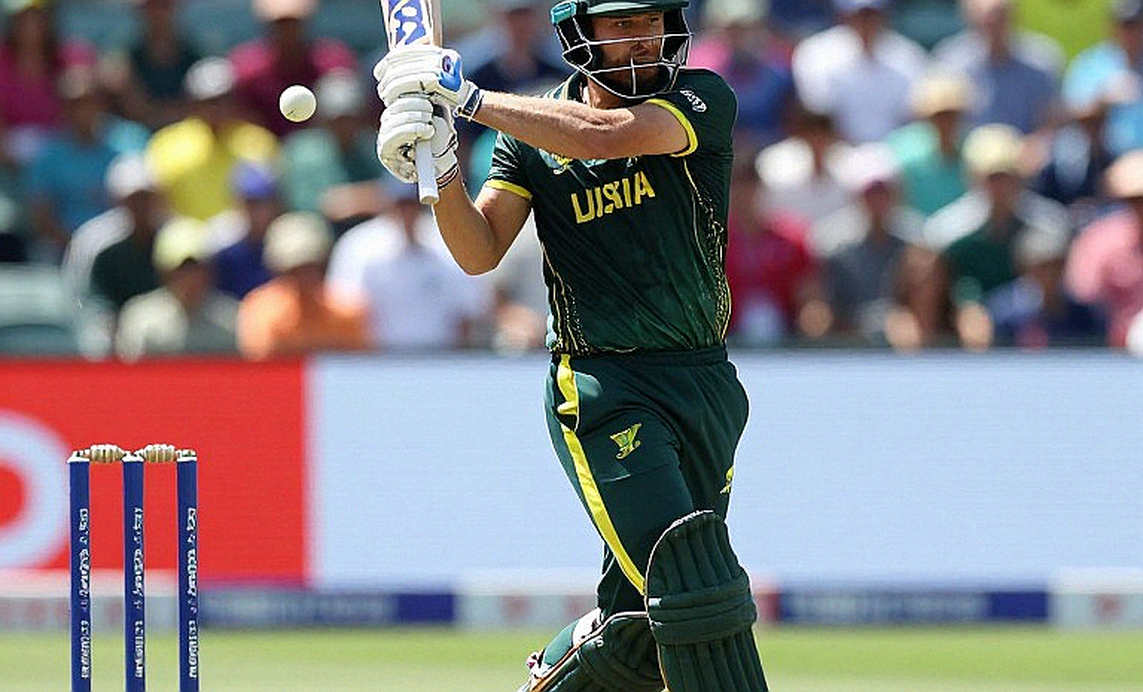
The real cliff is in the bowling, not the batting. The report names only batting successors, Gill and Sooryavanshi. What it leaves out is that the pace spearhead and the frontline spin pair are ageing in the same window. India's home advantage is built on spin conditions and bench depth; its away Test vulnerability in seam-friendly conditions is old and well documented. The transition risk therefore sits in the fifth-bowler, all-rounder and second-spinner slots, not in the question of who the next superstar is. The phased blooding of second-line seamers in home Tests is entirely absent from the report, and that is its material omission.
There is also a missing governance voice. Calling a teenager a national team's “next superstar” is more than a speech; it is a duty-of-care commitment. No BCCI official, selector or franchise figure is quoted, which means the claim currently carries no institutional standing. India's NOC and central-contract architecture assumes an adult professional with an agent and a contract. A minor falls outside every one of those assumptions; junior cricket's bone-age protocols do not map neatly onto a high-money franchise environment. The franchise carries the marketing upside; the board carries the injury downside. Until a written load-management protocol exists, no single authority owns the duty of care — and in a high-money environment, a young player is also a structural target for approach-based corruption.
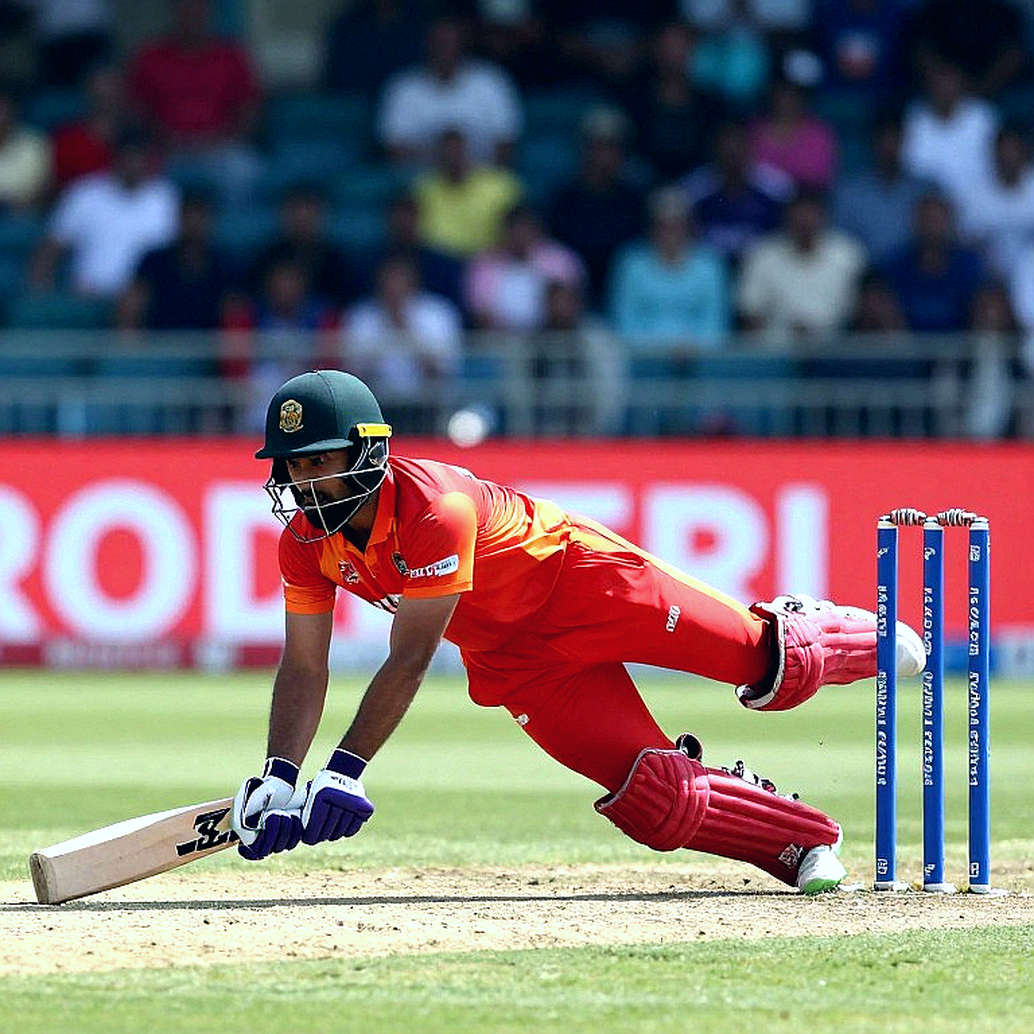
The Tendulkar analogy sounds strong and is structurally shallow. Tendulkar's records were volume aggregates: runs, centuries, longevity. A large part of Kohli's and Rohit's legacy is era-defining presence, which decays at a different rate. Aggregates can be broken by someone else; presence is succeeded through environment and winning habit, not statistics. “Records will be broken” is true. “The void will be filled” is a larger claim, and the report leaves it without evidence.
The execution blind spot is that Indian cricket's strength has never rested on the name of the next superstar. The hidden structure is captaincy continuity, bench depth and home conditions. Klusener himself says Gill has “a lot of people to lean on” — that sentence is about the support structure, not one batter's charisma. Media and franchises both want a product called “the post-Kohli-Rohit superstar,” and that product is expensive, so they name the successor before the evidence arrives. In that race, a teenager is simultaneously the cheapest raw material and the most expensive bet. The Indian media cycle crowns quickly and inverts faster.
Next time a foreign great calls someone “the next superstar,” check three things: Gill's back-foot and rising-ball game in SENA and his Test output in the first 18 months of captaincy; a written match-density cap for Sooryavanshi from the board or the franchise; and the selection of the second-line seamers and second spinner in home Tests. All three sit outside the headlines, and all three will decide what this transition actually looks like. The question is not “who is next.” It is “whose sample is big enough.”