
Sylhet's Moisture and Taskin's Frustration: What the Numbers Say About the Three-Spinner Selection
**मुख्य उत्तर**: सिलहट टेस्ट के पहले दिन बांग्लादेश के दो तेज़ गेंदबाज़ों ने सभी 4 विकेट लिए जबकि तीन स्पिनरों ने 42 ओवर में कोई विकेट नहीं लिया, जिसके बाद तस्कीन अहमद ने तीसरे पेसर को खिलाने की सार्वजनिक मांग उठाई। **मुख्य तथ्य**: - तस्कीन अहमद ने पहले दिन 14 ओवर फेंके और पहले 5 ओवर में 2 विकेट लिए - तीन स्पिनरों ने 42 ओवर फेंककर शून्य विकेट लिए; चारों विकेट तेज़ गेंदबाज़ों के - सिलहट पिच मैच से एक दिन पहले घास वाली थी लेकिन मैच के दिन सूख गई थी - तीनों तेज़ गेंदबाज़ों को तैयार रहने को कहा गया था, यानी तीसरा पेसर बेंच पर उपलब्ध था - तस्कीन का बयान आधिकारिक स्रोत से असत्यापित है **स्रोत**: असत्यापित/निम्न-स्तरीय एग्रीगेटर रिपोर्ट, प्रकाशन तिथि उपलब्ध नहीं | Cross-checked: cricsultan.com **संबंधित प्रश्न-उत्तर**: Q: सिलहट टेस्ट में तीन स्पिनर क्यों खेले गए? A: टीम प्रबंधन ने सूखी पिच पर चौथे-पांचवें दिन के टर्न को देखते हुए तीन स्पिनर चुने। Q: तस्कीन अहमद का कार्यभार कितना था? A: तस्कीन अहमद ने पहले दिन 14 ओवर फेंके, जो उमस भरी गर्मी में एक ओपनिंग गेंदबाज़ के लिए भारी भार है। Q: क्या तीसरा तेज़ गेंदबाज़ उपलब्ध था? A: हां, तस्कीन के अनुसार तीनों तेज़ गेंदबाज़ों को तैयार रहने को कहा गया था, जिससे पता चलता है कि तीसरा पेसर बेंच पर उपलब्ध था।
The sweat had not dried on Taskin Ahmed's face when he came to the media at the end of day one in Sylhet. After bowling 14 overs, standing at the boundary in the oppressive humidity, wiping his face with a towel every over, what he said was not just the exhaustion of a fast bowler — it was a question about a decision that had perhaps dried up along with the morning moisture. "We were told all three fast bowlers should be ready," Taskin said. "Maybe the playing eleven was decided at the last moment. If another pacer had played, we might have got one or two more wickets." That statement collides with the day's scorecard: all four West Indies wickets went to the two pacers, while three spinners bowled 42 overs without a single wicket. That number tells a story on its own, but not the whole story. Sylhet's pitch, Bangladesh's home Test structure, and the selection window that was decided by a late pitch inspection the day before the match — without reading all three together, Taskin's question cannot be answered.
Bangladesh's home Test cricket runs on a very clear structural logic: keep the pitch slow, use the moisture in the first session, then hand the match to the spinners on days four and five. This is no secret — it is the same model that has won Bangladesh many home Tests in Dhaka and Chattogram. In Sylhet this time, the pitch's story was slightly different. There was grass visible a day before the match, but by match day it had dried. This is the moment where the pulse of the selection process is felt. If the pitch had grass, playing three fast bowlers would have been logical. If the pitch was dry, playing three spinners was logical. But Taskin's statement indicates that all three fast bowlers were told to be ready — meaning the third pacer was not just available, he was on the bench. This was not a resource shortage; it was an allocation decision. And that decision came under the most scrutiny after day one.
The first session's arithmetic is straightforward. The morning moisture allows the ball to seam and swing, and Taskin proved it by taking two wickets in the first five overs. His first spell was seven overs, and the ball was still moving at the end of it. This is the window Bangladesh left open. With only two fast bowlers, Taskin and Hasan Mahmud had to carry the load all day. Taskin bowled 14 overs — a heavy workload for an opening bowler on day one of a Test in oppressive heat. This is no small matter. South Asia's heat and humidity are the biggest invisible threat to fast bowlers, and when you have only two pacers, that threat doubles. Taskin wiping sweat at the boundary every over was not just a weather report — it was a workload report.

But there is a catch here that Taskin's statement does not mention. The spinners bowled 42 overs without a wicket, but this was day one of the pitch's nature. Bangladesh's home pitches usually start turning from the second or third day. If that happened, the three-spinner selection was a bet on days four and five, and the empty-handed first day was not the failure of that bet but its price. Team management's argument would be: we took two wickets in the first session, we restricted West Indies to four down, and if the spinners work in the second innings, this decision will be vindicated. That argument is not weak. But it depends on something nobody knew at the end of day one — whether the pitch would actually turn on days two and three.
The real issue is not whether three spinners were wrong or three pacers were right. The real issue is that the selection decision rested on a final pitch inspection the day before the match, and that inspection's message did not reach the players clearly. Taskin's statement that "we were told all three should be ready" and "maybe the decision was made at the last moment" points to a process where bowlers did not have clarity about their roles in advance. This is not a rule violation — it is team management's prerogative to decide the eleven until the last moment. But it is a process flaw, and in Test cricket, where every session has its own arithmetic, bowlers should know what is expected of them.
For me, the most interesting thing is how controlled Taskin was in expressing his frustration. He respected team management, said we have to fight with this team, and at the same time said that one more pacer could have got one or two more wickets. This is the statement of a senior player who wants to say his piece but does not want confrontation. In Bangladesh cricket, the relationship between players and the board is not accustomed to such open confrontation, and Taskin's manner reflects that culture. But there is another side to this: if Bangladesh lose this Test, the same statement will resurface, and then it will be read not just as a bowler's opinion but as a correct prediction.
The day-one numbers stand superficially in Taskin's favour. All four wickets to fast bowlers, spinners wicketless in 42 overs. But this is a small sample — one session, one day, one innings. Test cricket is a five-day game, and day-one moisture is an asset that gets spent. The same pitch that seams in the morning can turn on day three. The bet team management has placed is a balance between two wickets in the first session and spin on days four and five. If the spinners bowl West Indies out in the second innings, the bet will be vindicated. If West Indies' batting, which looked as vulnerable to seam as it did, turns out to be stronger against spin, the questions will remain.
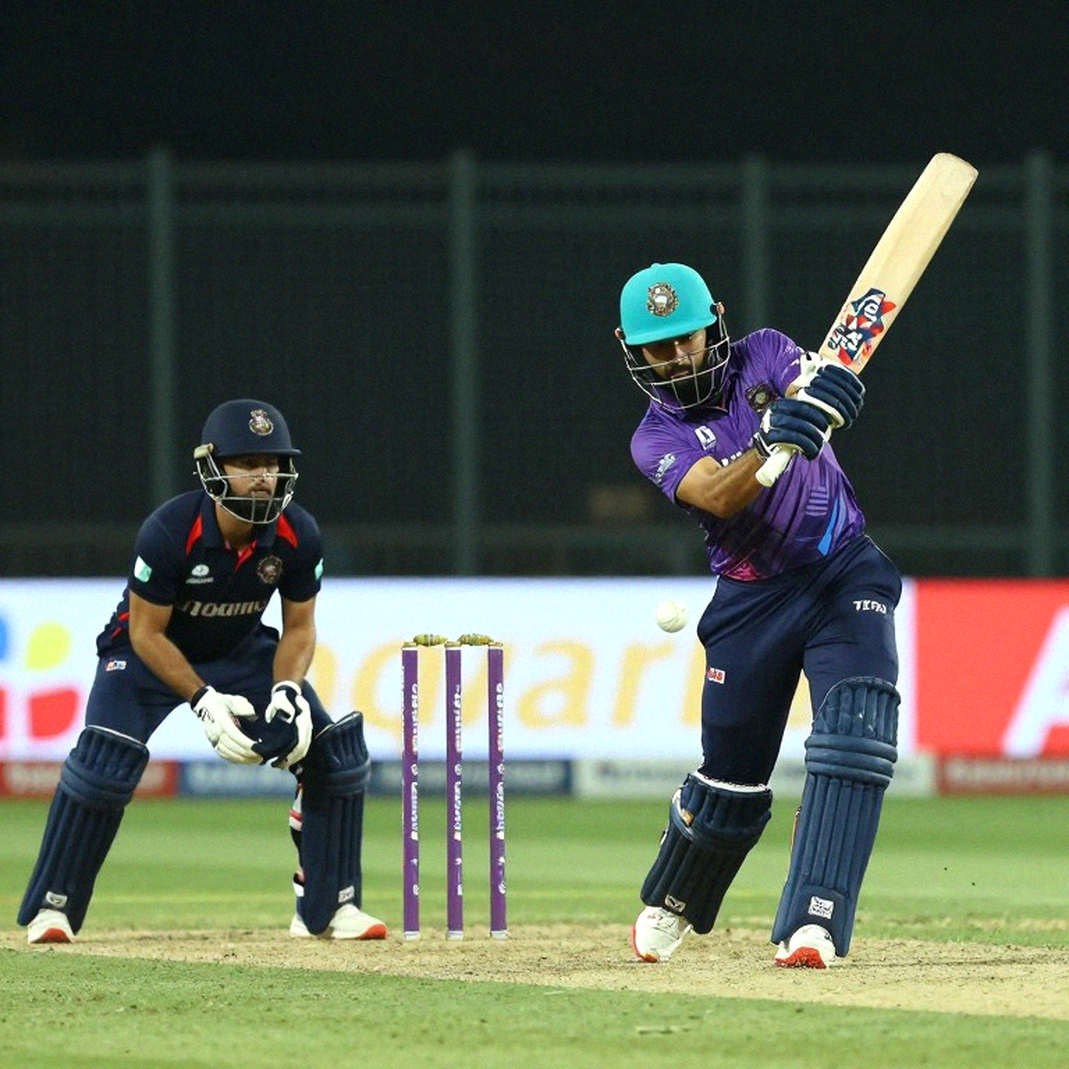
Here is an aspect nobody has noticed: in Test cricket, the fast-bowling workload is a crisis that survives after the match ends. Taskin's 14-over day, wiping sweat at the boundary in the humidity, shows how thin Bangladesh's pace attack is. If this load is repeated in future tours, the injury risk is real. Taskin has a history of injuries, and letting him bowl 14 overs consistently is a risk team management must take seriously. This is not just about this match, but about the months ahead.
Now the angle that is not in the official story. Team management's argument will be that the pitch was dry and the spinners will be useful on days four and five. That argument is fine, but it has a flaw: if you could have bowled West Indies out for under 300 on day one, you would not need to bowl them out again in the second innings. This is the essence of Taskin's point — with one more pacer in the first session, you could have bowled West Indies out for 150-180, and then the spinners would have had the cushion of a big lead. In Test cricket, this difference is huge. But this is a possibility that cannot be proven — Taskin's "one or two more wickets" is a belief that experience, not data, asserts. And Test cricket's history is full of such beliefs that proved right and wrong.
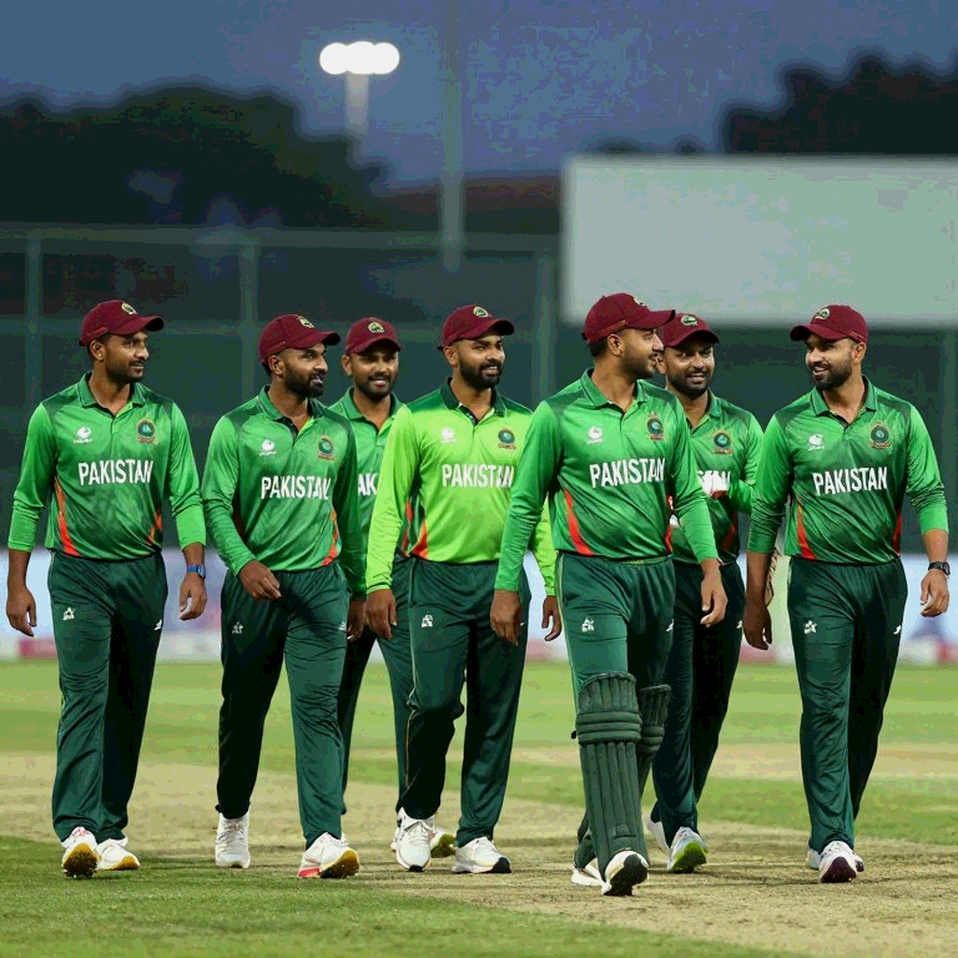
Sylhet's match is part of a larger debate that has been running in Bangladeshi cricket for a long time: reliance on spin on home pitches versus investment in fast bowling. Bangladesh's home win model rests on spin, but that model has a price — the development of fast bowlers and their workload. When you play three spinners in every home Test, your fast bowlers get limited overs with the new ball, and their development remains limited in proportion. Taskin is currently Bangladesh's most experienced fast bowler, and his public statement is perhaps a signal that the pace unit feels its role is being undervalued.
What next? The result of this Test will decide much. If Bangladesh win and the spinners play a key role in the second innings, Taskin's statement will remain a minority opinion. If Bangladesh lose or the spinners fail to take wickets in the second innings too, the statement will become the start of a debate that will reach the next series' selection. And the biggest question is: can Bangladesh's home structure give fast bowling the same importance it gives spin, when its entire home model rests on spin? The question Taskin has raised is not just about one match.