
The Changing Face of Cricket Reporting: Data, Context and the New Language of Asian Cricket
यह रिपोर्ट किसी एक मैच या खिलाड़ी के बारे में नहीं, बल्कि क्रिकेट विश्लेषण की पद्धति के बारे में है। मुख्य बिंदु: (1) टेस्ट, वनडे और टी20 के आंकड़े आपस में तुलनीय नहीं होते, इसलिए हर विश्लेषण से पहले प्रारूप तय करना ज़रूरी है; (2) पावरप्ले, मध्य ओवर और डेथ ओवर के आंकड़ों का अर्थ अलग-अलग होता है; (3) खिलाड़ी का मूल्यांकन उसकी भूमिका, नमूने के आकार, घरेलू-विदेशीय रिकॉर्ड, उम्र और चोट-इतिहास के साथ करना चाहिए; (4) आईसीसी रैंकिंग उपयोगी है पर अंतिम सत्य नहीं; (5) नीलामी की ऊँची कीमत बाज़ार का संकेत है, प्रदर्शन का प्रमाण नहीं; (6) लीग और राष्ट्रीय टीम के कैलेंडर टकराव में अनापत्ति प्रमाणपत्र और केंद्रीय अनुबंध निर्णायक होते हैं; (7) स्रोत की गुणवत्ता हमेशा दर्ज होनी चाहिए, और जहाँ जानकारी नहीं है वहाँ स्पष्ट रूप से कहना चाहिए — क्योंकि जानकारी का अभाव जोखिम के अभाव का प्रमाण नहीं है।
Cricket is perhaps the only popular sport where spectators watch the scorecard as closely as the field. For decades the structure of a match report stayed the same — the toss, the score, a few standout performances, and a controversy at the end. That structure has cracked over the last ten or twelve years. Ball-by-ball data, pitch mapping, field-placement animation and player movement tracking are now routine. The reporter has far more information than before, but the responsibility to place that information in the right context has grown just as much.

This article is not an analysis of a single match, series or player. It is an attempt to understand the method by which modern cricket coverage is built — and how a reader can decide whether the number in front of them is trustworthy or just noise.
The first question is always the format
The first question in any cricket analysis should be: which format is this about? Test, ODI, T20, or a franchise tournament? This matters because figures across the three formats are simply not comparable. An economy rate of 8.50 in the last four overs of a T20 will be judged good, while the same figure in a Test first innings would be expensive. A batting strike rate carries one meaning in Tests and an entirely different one in T20.
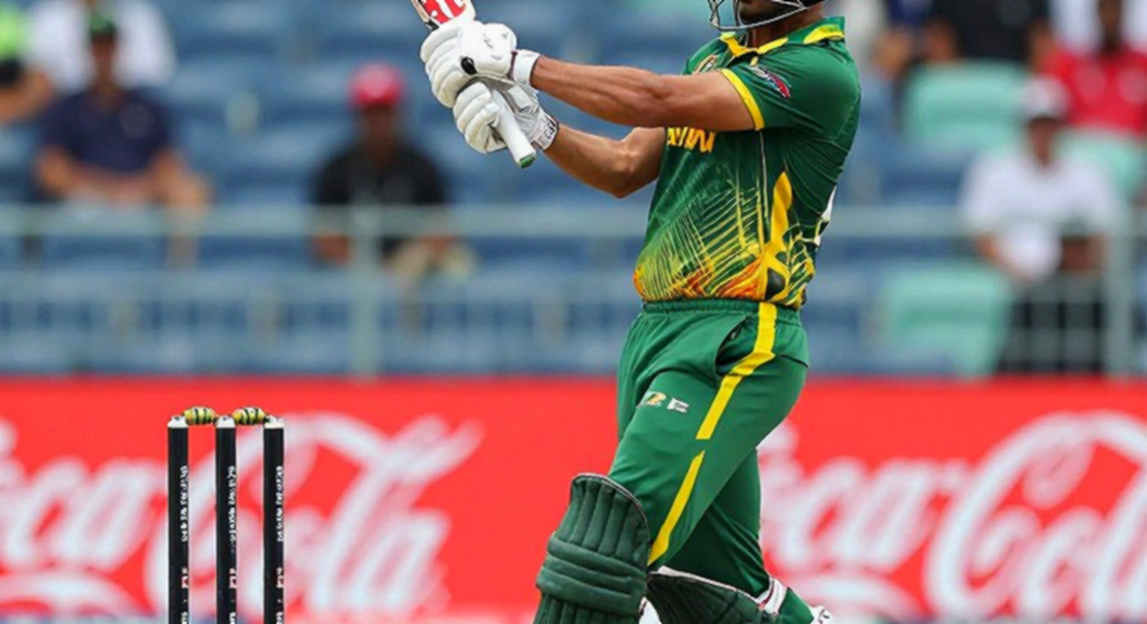
The second thing usually ignored is the phase of the match. Powerplay, middle overs and death overs each involve different tactics and different risk. In Test cricket, the new-ball phase, the growing influence of spin in the second innings and the behaviour of the pitch on days three and four each demand a separate assessment. A report that throws all these phases into one bag cannot be precise.
The third factor is venue and weather. Dew, wind direction, short or long boundaries, and the Duckworth-Lewis-Stern rule applied after rain — all of these change the reading of a result. The dominance of spin on the slow pitches of the subcontinent and the impact of fast bowlers on the bouncier surfaces in England cannot be measured on a single yardstick.
Assessing a player starts with the role
Before commenting on any player, it is necessary to establish the role — opener, middle-order anchor, finisher, fast bowler, spinner, all-rounder or wicketkeeper. A finisher's strike rate and an anchor's strike rate cannot be judged on the same scale. Equally, the economy rate of a fast bowler who takes the new ball differs in meaning from that of one who bowls at the death.
The second requirement is sample size. Drawing a career conclusion from three innings is an old journalistic habit, but in the data era it has become more dangerous, because numbers are easy to obtain and easy to select. One good season and five consecutive good seasons are two different stories.
The third is continuity of context — home versus away, the quality of the opposition, and the age curve. A player with outstanding home numbers can look ordinary abroad. Injury history and workload management must also be part of the assessment, otherwise the picture remains half-drawn.
A team's picture is bigger than its ranking
The ICC ranking is a useful starting point, but it is not the final truth. A ranking says how a team has performed over time; it does not say what will happen next week on a particular ground. Home and away records therefore need to be read separately. Home advantage in cricket is more visible than in almost any other sport — familiarity with the pitch, the weather and the support of the crowd combine to create a large gap.
Team depth is also hidden by surface numbers. Batting depth is not measured only by the averages of six batsmen; it matters who bats at seven or eight and what they can do under pressure. The balance of pace and spin in the attack, the strength of the bench and the age structure of the squad together determine whether a team can win a match or a series.
The tug of war between leagues, money and national teams
Franchise leagues have changed cricket's economy. Auction prices, broadcast-rights figures and franchise valuations are now a permanent part of the news. But one basic distinction must be understood: a high price at auction is a market signal, not proof of sporting ability. A large bid does not show that a player is equally effective at international level.
The second tension is between the league and the national calendar. Players need a No Objection Certificate from their board to play in an overseas league, and central contract terms decide which league gets priority. When a league window collides with a bilateral series, the dispute becomes more about administration than about cricket. Readers need to understand that every side in such disputes has its own argument, and that hearing only one is not enough.
Rules, governance and transparency
Cricket governance runs at three levels — the international body, the national board and the tournament organiser. On any major decision their roles differ. Anti-corruption monitoring, selection disputes, eligibility rules and bilateral series suspended for political reasons are all part of cricket news, and cannot be read alongside the score alone.
An honest report is one that states the quality of its source. An official board release, a veteran journalist's report, general media copy and social-media claims do not carry equal weight. Where information is absent, saying so is itself part of professional reporting. An absence of information is not evidence that risk is absent.
The fallacies that return in every report
The most common fallacy is drawing a large conclusion from a small sample. The second is ignoring luck factors — the toss, rain, dew and dropped catches. The third is making umpiring and DRS controversies the basis for interpreting a result, when they are often marginal. The fourth is letting the glare of home numbers conceal weaknesses.
There is only one way past all of this — never look at a number alone, but attach labels for format, phase, venue and opposition. A reporter who attaches those labels produces work a reader can trust; one who shows only shiny figures is producing agitation, not analysis.
Public narrative and the pressure of social media
Emotional intensity in Asian cricket is considered the highest in the world. A good innings is glorified the next day and a failure is turned into a negative campaign. Social media accelerates that cycle. In such an environment, the reporter's job is to keep data separate from headlines — to judge where emotion rests on fact and where it is simply an extension of anger.
The gap between expectation and reality is created in the same place. When fans expect immediate results, the case for long-term rebuilding goes unheard. Measuring that gap and writing it in plain words is the real work of analysis.
What this means for Asian cricket
Asia today is both the economic and the talent centre of cricket. Its domestic structures, franchise leagues and audience base set the direction of the global game. But that also means reporting here is under the greatest pressure. The market demands quick headlines, while correct conclusions require patience and source quality.
The way forward is clear — use data, but with format and context; do not treat auction price as proof of performance; record the source; and where information is missing, say so plainly. Cricket news will remain credible only when both the shine of a number and the reasoning behind it are placed before the reader.